Residential EV Chargers
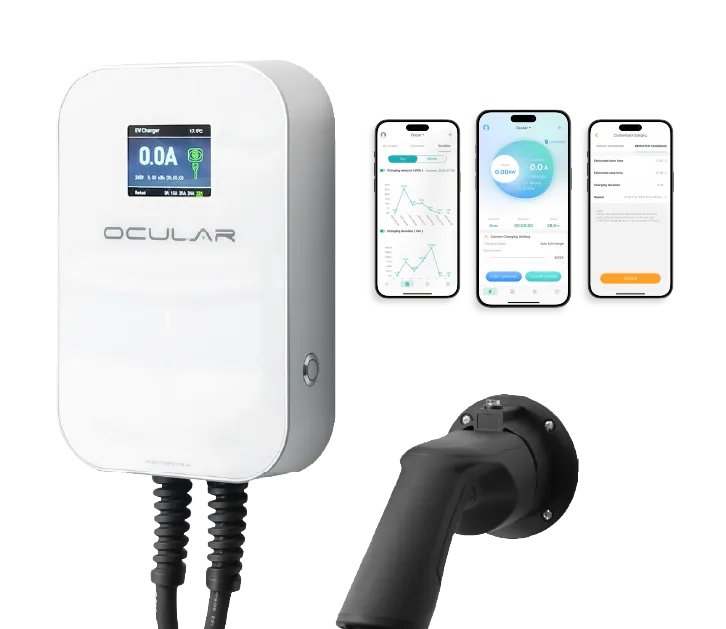
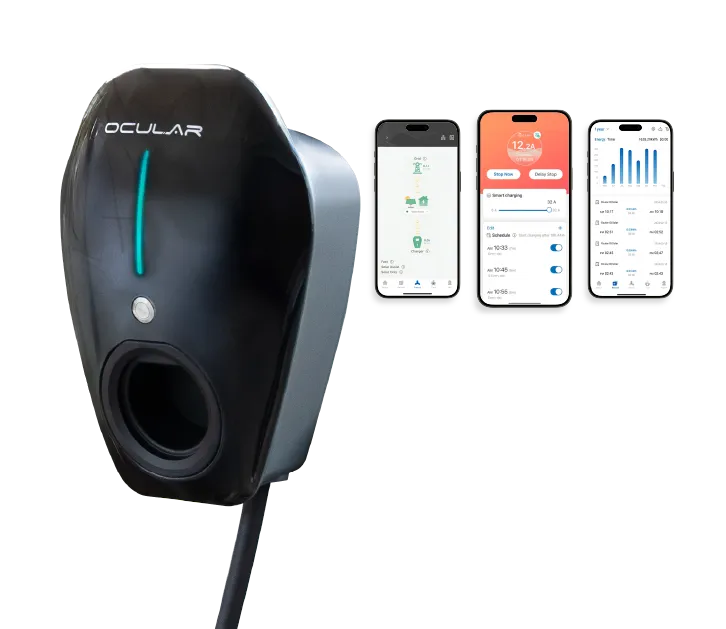
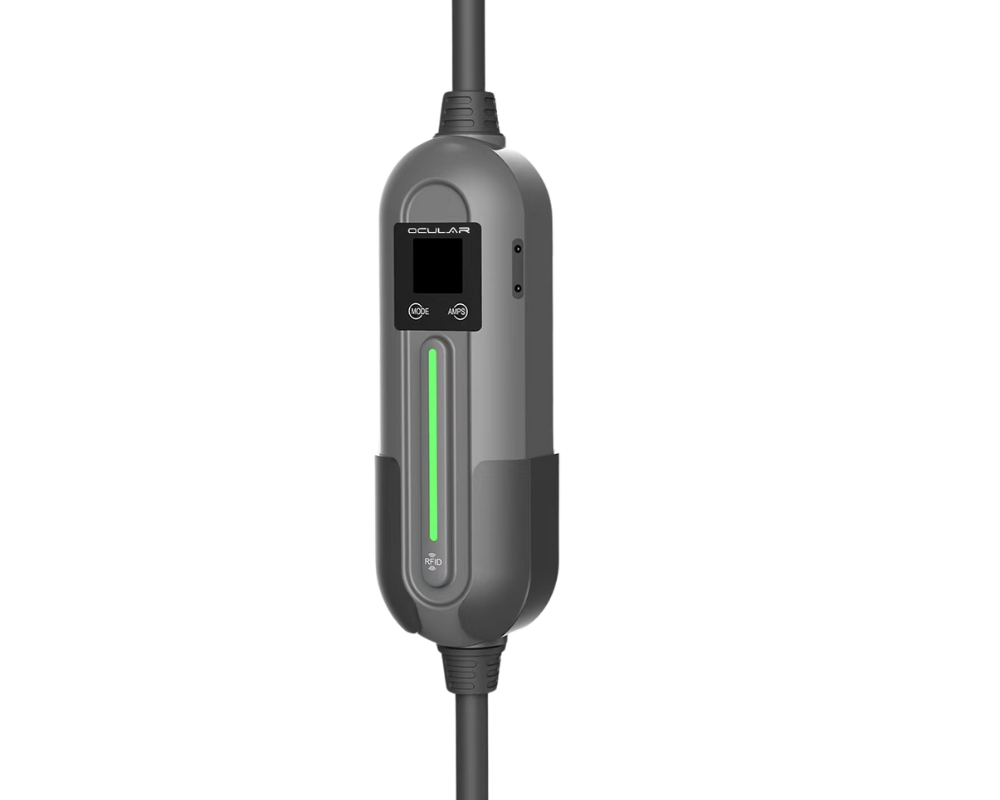
Commercial EV Chargers
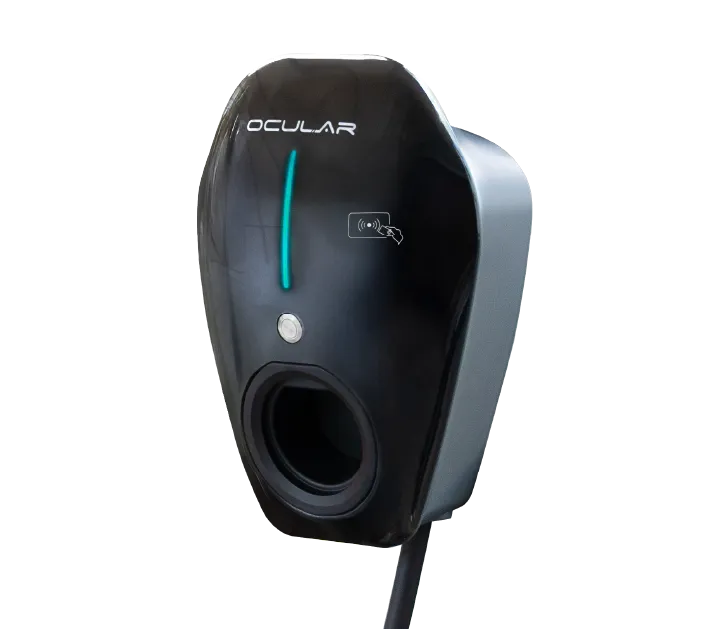
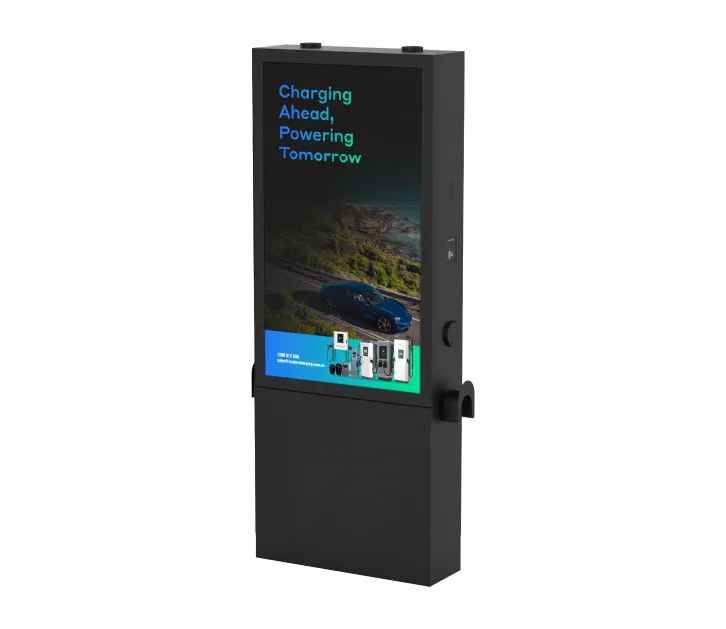
DC Chargers


EV Charger
Strata EV charging is the installation of electric vehicle chargers in apartment, townhouse and mixed-use buildings owned under a strata or owners corporation scheme. Chargers may be installed in individual residents’ car spaces, in shared or visitor bays on common property, or both.
Because car parks, switchboards and cable routes are usually common property, strata EV charging needs more planning than charging at a house. The building’s electrical capacity, fair cost allocation and owners corporation approval all need to be sorted out before installation.

| Option | How it works | Advantages | Things to consider |
|---|---|---|---|
| Individual chargers on each lot’s supply | A charger in a resident’s space is wired to that lot’s own meter. | Simple billing, as usage appears on the resident’s power bill. | Cable runs can be long and costly, and it does not scale well across a whole building. |
| Shared EV backbone with individual chargers | A dedicated EV distribution board and cabling serve car spaces, and residents add chargers when they need them. | Scalable, load-managed and fair when combined with per-user billing. | Upfront cost for the backbone, often staged over time. |
| Shared chargers on common property | A small number of chargers in shared or visitor bays, accessed by RFID or app. | Low upfront cost and quick to deliver. | Residents need to share and move cars once charged. |
| Staged EV-ready plan | The building is assessed and designed for full EV readiness, then installed in stages. | Avoids rework and spreads cost as demand grows. | Needs early planning and owners corporation commitment. |
Many buildings combine options, for example starting with shared chargers while planning an EV backbone for the future.
Load management is what makes strata EV charging practical in most buildings. Instead of every charger drawing full power at once, the available capacity is shared intelligently.
Both approaches scale to up to 250 Ocular IQ AC chargers, so a building can start small and add chargers without upgrading its supply for every new EV. Because most residents charge overnight, when building demand is low, load management usually delivers a full charge by morning.
Owners corporations need confidence that charging costs are recovered from the people who use them. Ocular chargers support:
This allows the owners corporation or its chosen provider to bill residents for the energy they use, and to recover costs for shared or visitor chargers.
| Product | Key features | Typical strata use |
|---|---|---|
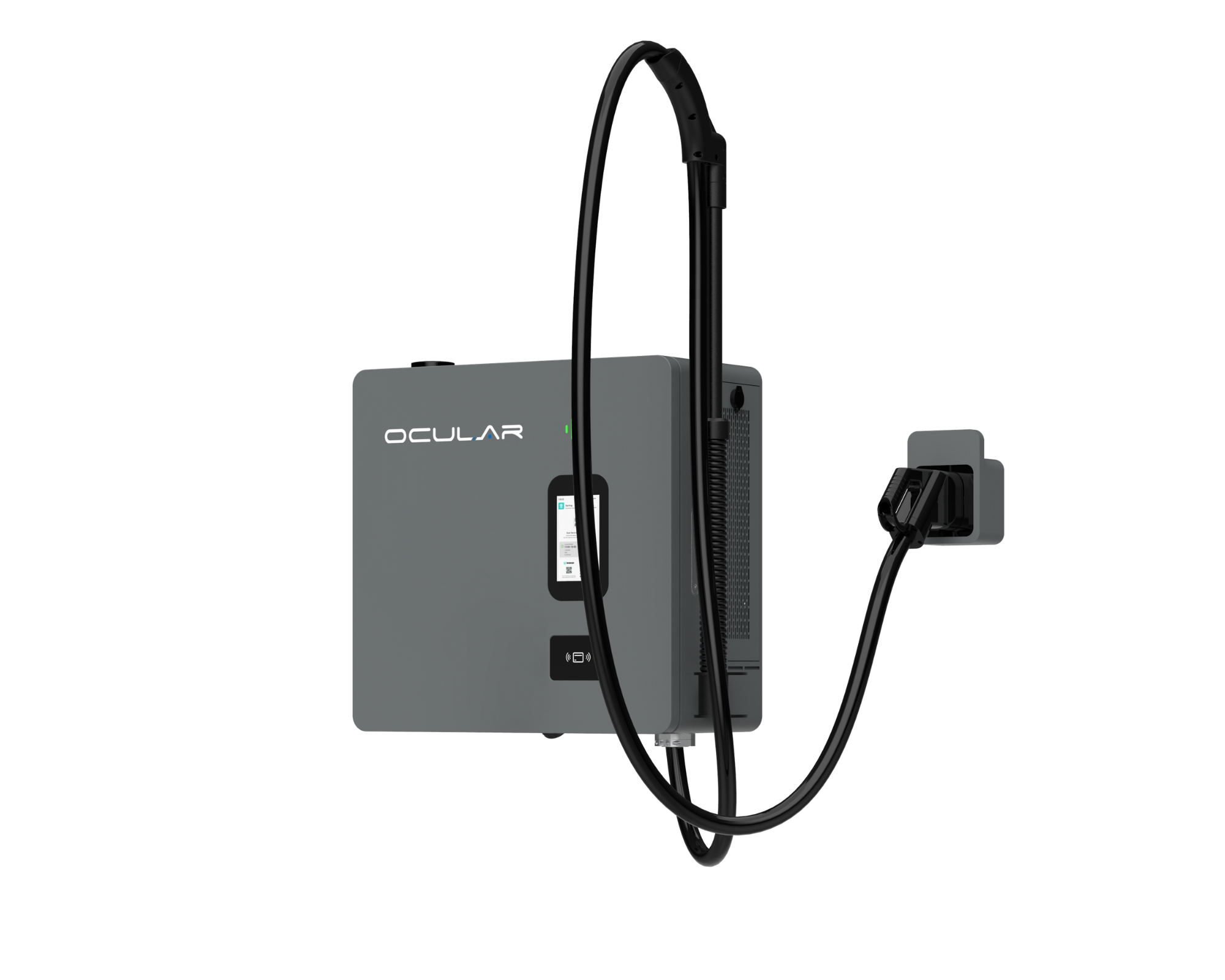
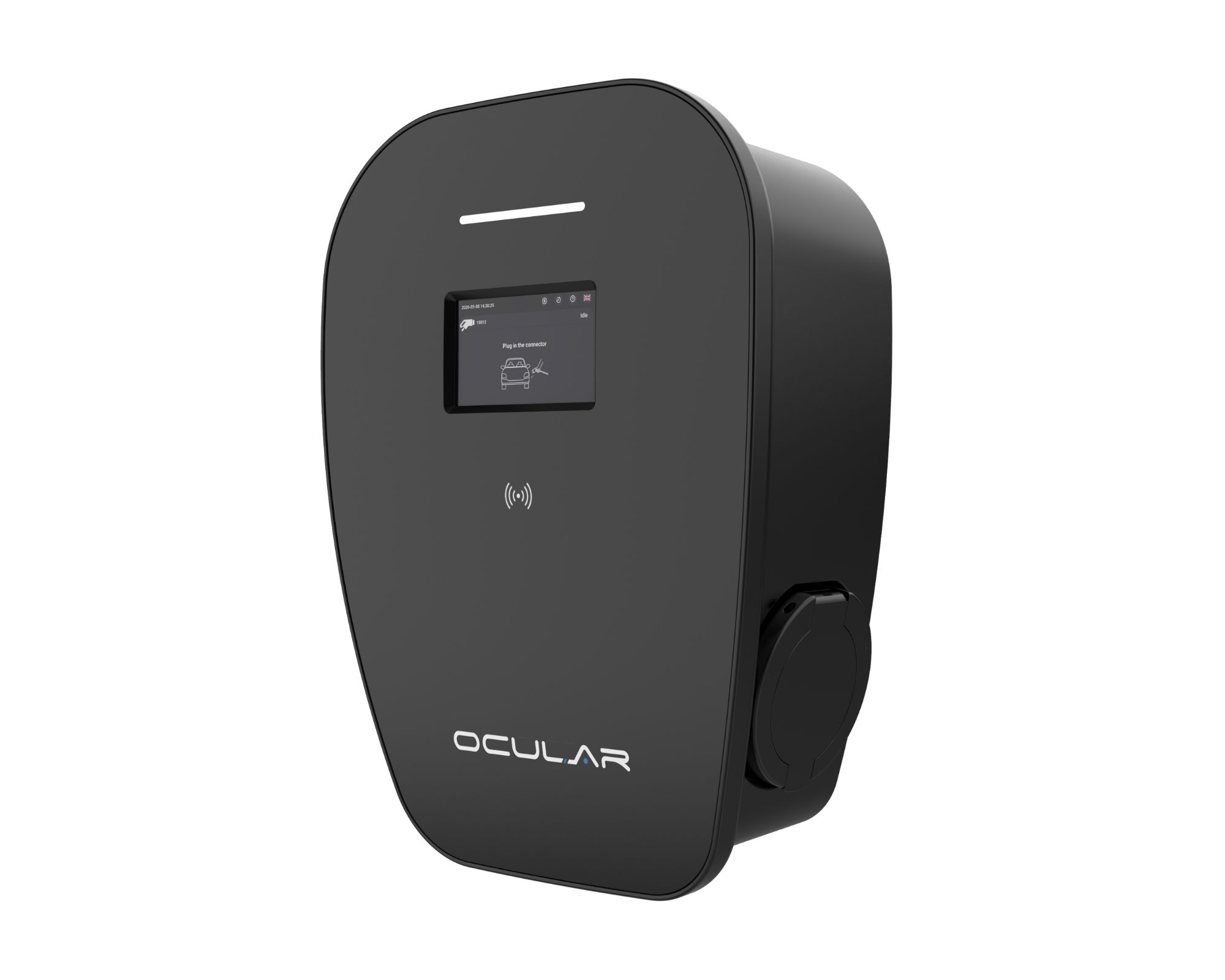
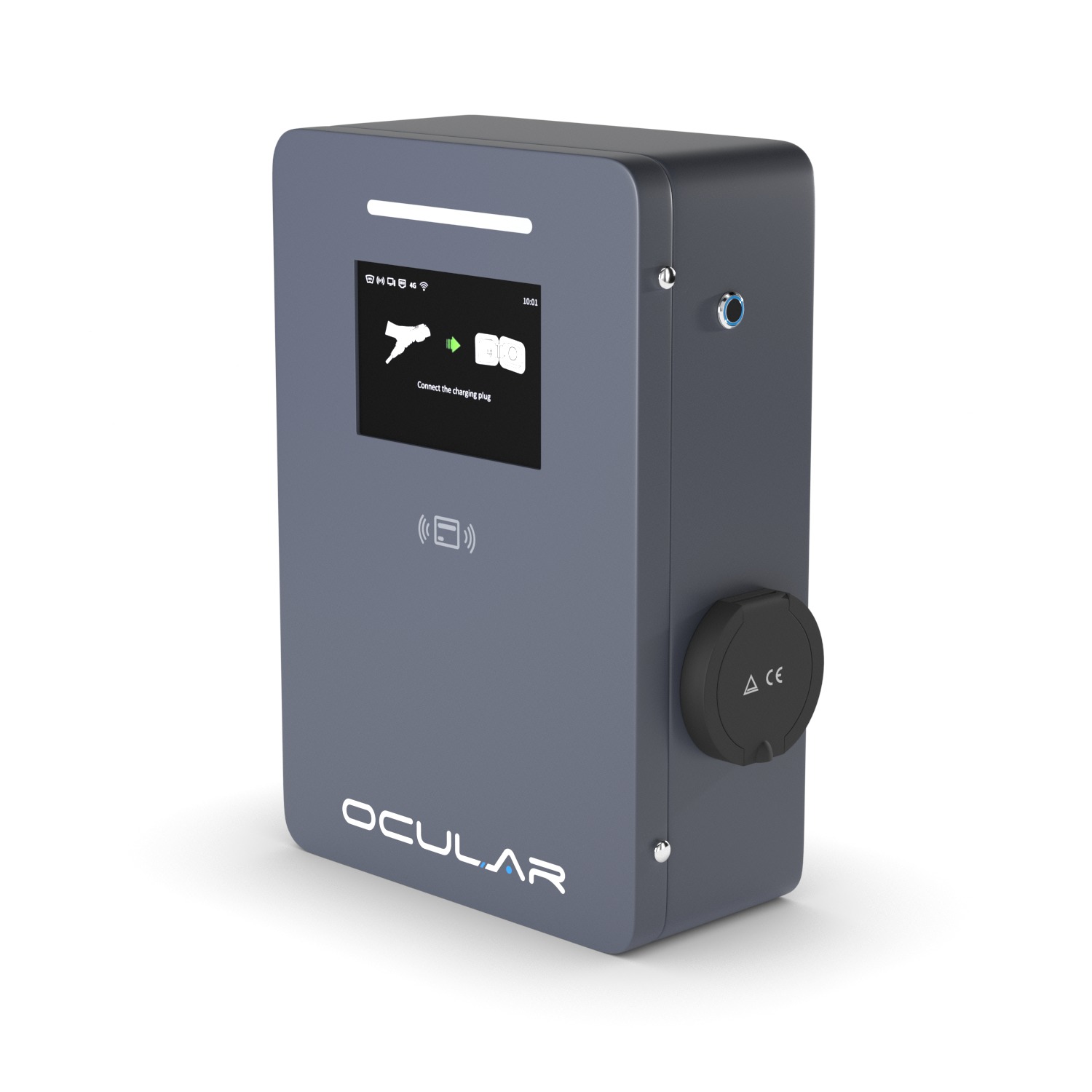
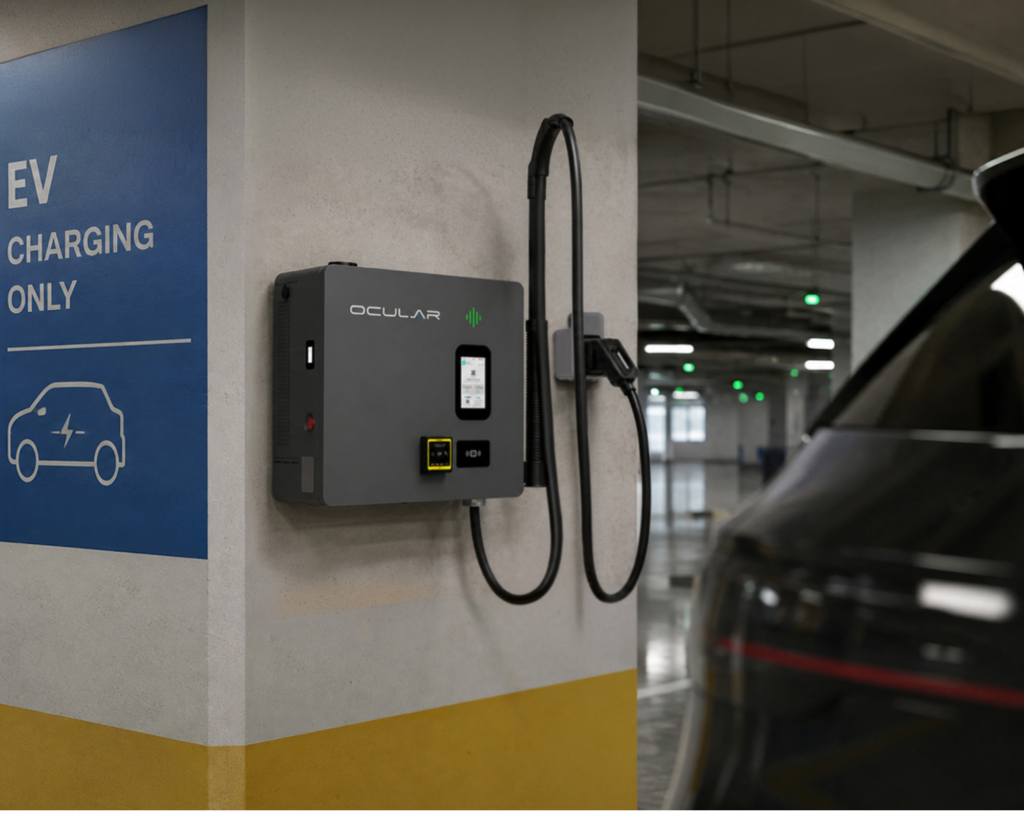
| Ocular IQ Mini | Compact 7 kW single-phase or 22 kW three-phase charger, RFID compatible, IP55 rated, configurable output current | Individual resident car spaces in apartment car parks |
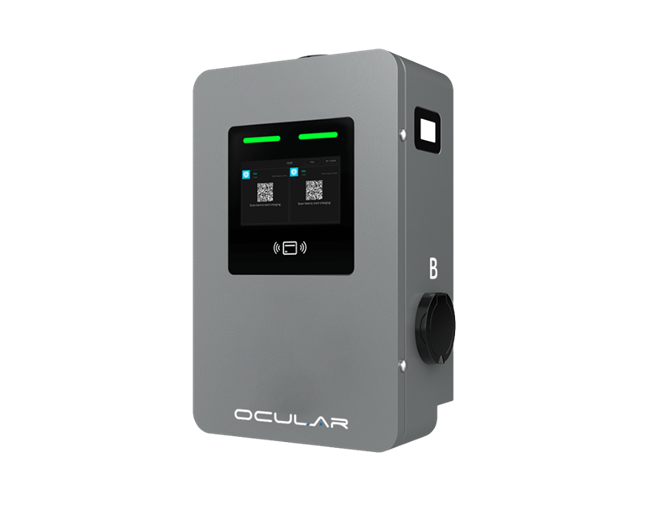
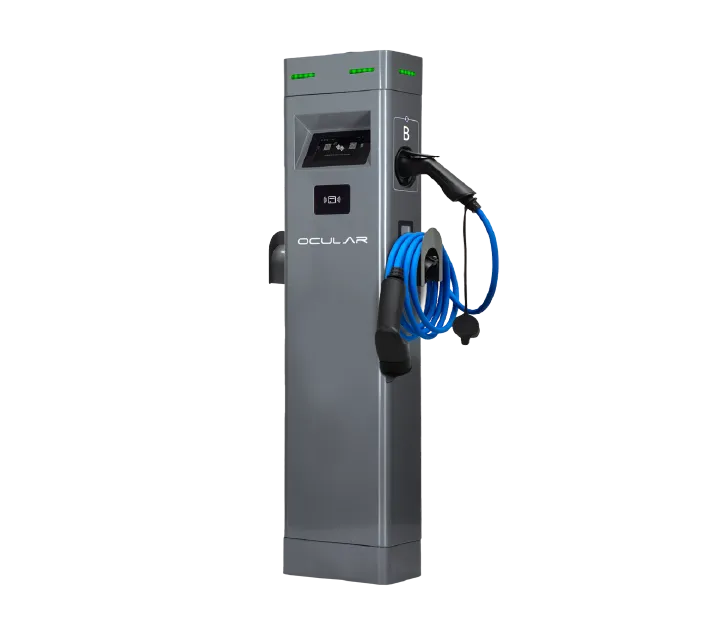
| Ocular IQ Commercial | 7 kW or 22 kW, OCPP 1.6J/2.0.1, Ethernet and Wi-Fi (4G optional), compatible with Ocular load management, wall or pole mounting | Shared and visitor bays, and larger managed installations |
| Shared chargers on common property | A small number of chargers in shared or visitor bays, accessed by RFID or app. | Low upfront cost and quick to deliver. |
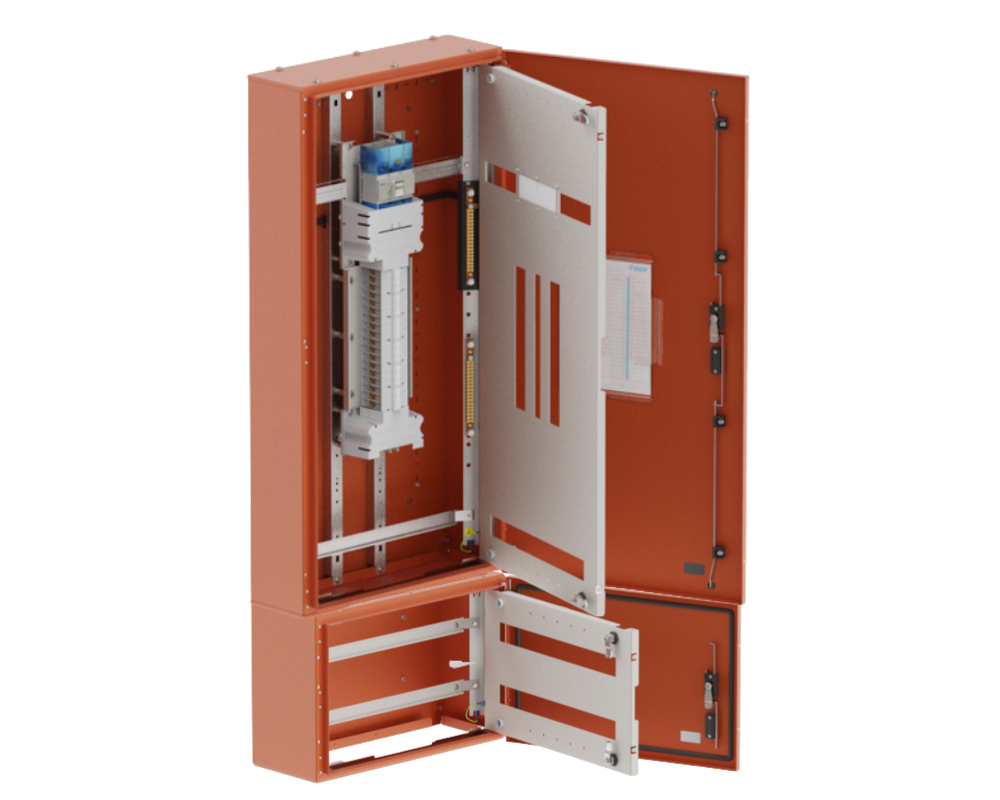
| Ocular x Hager EV distribution boards | NCC-certified boards in indoor (IP43) and outdoor (IP66) versions, 24 to 72 poles, 250 A main switch and multifunction meter | The EV backbone that feeds chargers across the car park |
Strata rules for EV chargers are set by each state and territory, so the approval process depends on where your building is. In general:
Always check the current rules for your state and seek advice from your strata manager or a strata lawyer before passing resolutions or by-laws.


Under the National Construction Code (NCC) 2022, new Class 2 apartment buildings must provide EV-ready infrastructure for 100% of their car parking spaces. This includes electrical distribution boards dedicated to EV charging, clearly labelled, with circuits capable of supporting a 7 kW (32 A) Type 2 charger delivering at least 12 kWh between 11 pm and 7 am.
Ocular’s NCC-certified EV distribution boards, developed with Hager, help developers and builders meet these requirements and give future residents a simple path to installing their own charger.
Survey residents to understand how many EVs are in the building now and expected in the next few years.
A certified Ocular installer assesses the building’s electrical capacity, switchboards, car park layout and cable routes.
Choose the charging model, load management approach and billing setup that suits the building, including a staged plan if needed.
Present the proposal to the owners corporation and pass the resolutions or by-laws required in your state.
The installer fits the EV distribution board, cabling and chargers, with minimal disruption to residents.
Chargers are configured for load management and access, and residents are set up to start charging.
Some state governments and councils have offered grants to help strata buildings become EV ready, such as the NSW Government’s EV Ready Buildings grant program (now closed) and local council programs. Availability changes, so check current programs in your state and council area before you start. Your installer can help prepare the technical information that grant applications often require.


Talk to Ocular about strata EV charging for your apartment building. Call 1300 912 650 or send an enquiry, and we will connect you with a certified installer in your area.