Residential EV Chargers
Commercial EV Chargers


DC Chargers
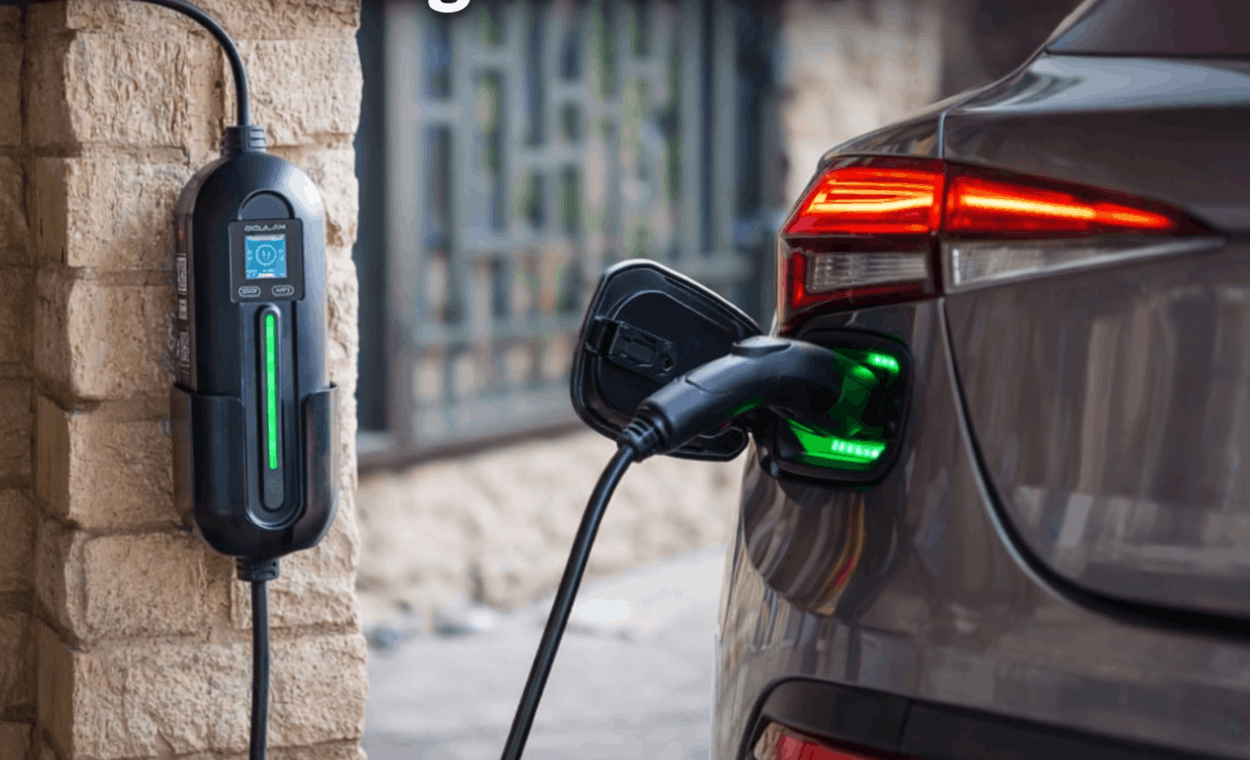
As electric vehicles become more common in commercial fleets and business operations, understanding how much energy is used during charging is becoming increasingly important.
Businesses need clear visibility into electricity consumption, where vehicles are charging, and how those charging activities affect operational costs. A smart portable EV charger helps solve this challenge by combining flexible charging with energy monitoring capabilities. Unlike traditional portable chargers, smart chargers connect to software platforms that track charging sessions, record electricity usage, and provide real-time insights into charging activity. With access to this information, businesses can better manage energy costs, optimise charging schedules, and improve the overall efficiency of their EV operations.
Energy consumption is one of the most important factors when operating electric vehicles. Without proper monitoring, businesses may struggle to understand how much electricity their vehicles are using or how charging behaviour impacts energy bills.
Smart portable EV chargers help solve this problem by automatically recording key charging data, including:
This data allows businesses to identify charging patterns, understand energy usage trends, and make better decisions about when and where vehicles should be charged. For organisations operating multiple EVs, even small improvements in charging efficiency can lead to meaningful cost savings over time.
Modern portable EV chargers often include built-in connectivity such as Wi-Fi, 4G, or Ethernet. This allows the charger to communicate with cloud-based management platforms or mobile applications that track charging activity.
When a vehicle begins charging, the system automatically records important data such as:
Fleet managers or operators can then view this information through dashboards or reports. These insights help businesses understand charging behaviour across vehicles and locations, making it easier to monitor energy usage and optimise charging strategies.
To understand the benefits of smart charging technology, it is helpful to compare a standard portable charger with a smart portable EV charger.
Standard Portable EV Charger: a standard portable EV charger provides flexibility by allowing vehicles to charge in multiple locations. Drivers can easily plug into compatible outlets and begin charging wherever power is available.
However, traditional portable chargers usually offer limited visibility into charging activity. Businesses may not know:
Energy tracking often requires manual recording or estimates, which can make accurate reporting difficult.
Smart Portable EV Charger: a smart portable EV charger provides the same flexibility while also offering advanced monitoring capabilities.Charging sessions are automatically recorded and stored within software platforms, allowing businesses to track electricity usage without manual input.
With access to this data, organisations can:
These insights help businesses make informed decisions about energy management and EV charging infrastructure.
One of the biggest advantages of portable EV chargers is their ability to operate across different environments. Businesses with mobile operations, remote work sites, or field-based teams often need charging solutions that can move between locations. Portable chargers allow vehicles to charge at depots, warehouses, construction sites, or temporary work areas. Smart portable chargers add another layer of value by maintaining consistent energy monitoring regardless of where charging occurs.
Even when a charger is deployed away from a central depot, the system can still collect and report energy data through connected software platforms. This ensures that businesses maintain full visibility into their EV charging activity across all locations.
For companies operating electric fleets, managing electricity usage is a critical part of controlling operational costs.
Smart portable EV chargers help fleet managers understand how and when vehicles are charging. By reviewing charging data, businesses can:
Over time, these insights help organisations build more efficient EV charging operations while keeping energy costs under control.
Example: Monitoring Home Charging for Fleet Drivers
A common challenge for businesses with EV fleets is tracking electricity used when employees charge vehicles at home. Portable chargers with smart connectivity can automatically record each charging session and transmit the data to a central platform. This allows fleet managers to see how much electricity was used and when the charging occurred.
For example, a delivery company operating electric vans may allow drivers to charge vehicles overnight using portable chargers. By monitoring charging sessions remotely, the company can track energy usage and reimburse drivers accurately for electricity costs. This level of visibility helps businesses maintain fair reimbursement processes while keeping clear records of fleet energy consumption.
Not all portable chargers offer the same level of functionality. When selecting a smart portable EV charger, businesses should look for features that support monitoring, reporting, and operational flexibility.
Important features may include:
These capabilities help organisations maintain better control over EV charging operations while improving energy visibility.
Looking for a flexible EV charging solution with built-in energy monitoring?
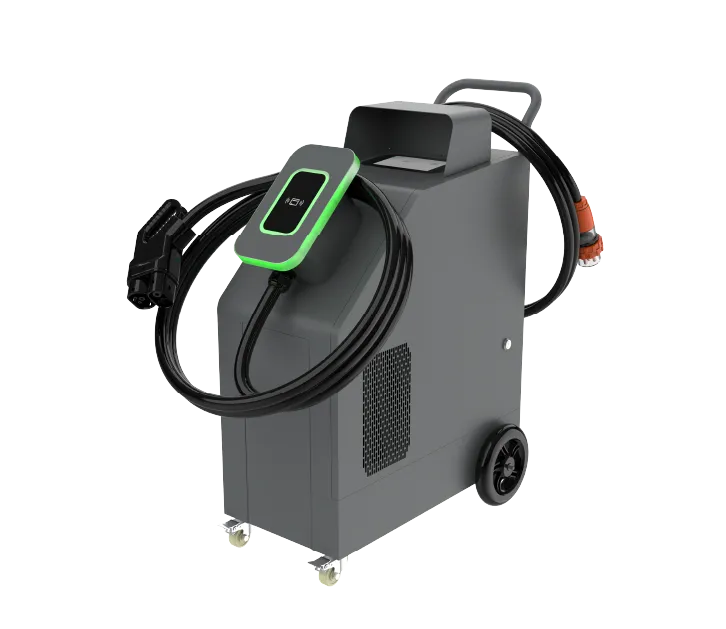
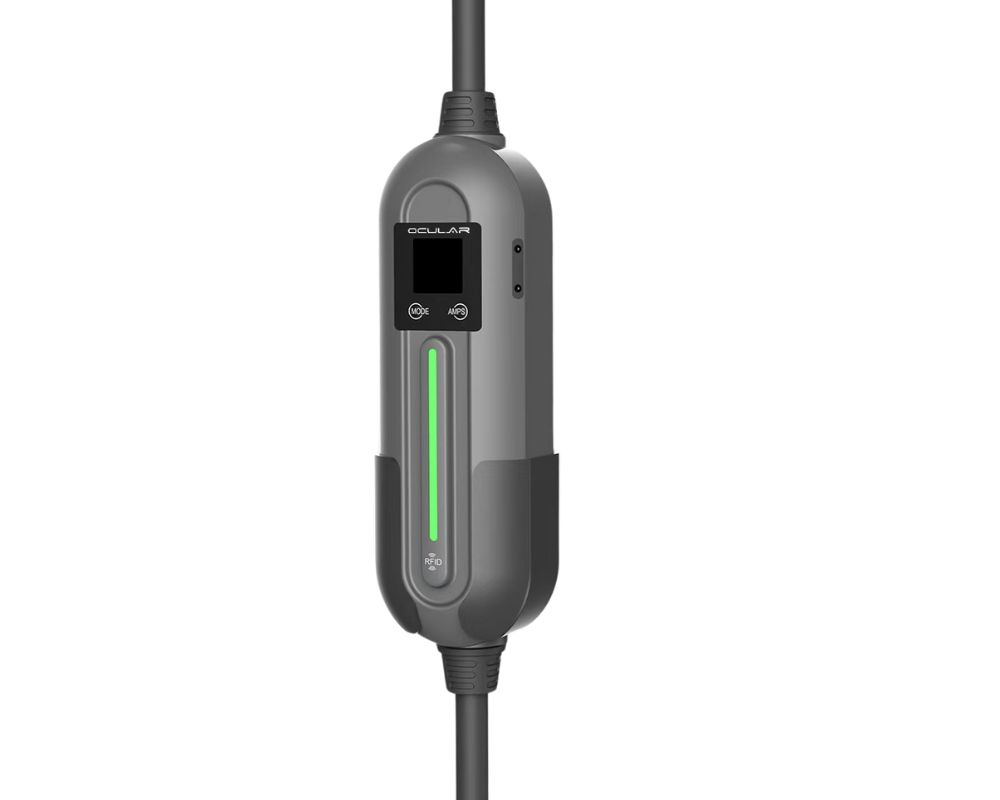
Explore Ocular Charging’s range of portable EV charging solutions like the Ocular IQ Portable OCPP EV Charger designed to support businesses and fleets across Australia.
Contact our team to learn more about smart EV charging options and how they can help improve energy visibility and charging efficiency
Speak with our team to learn more about smart portable EV charging solutions for businesses and fleets
1300 912 650
[email protected]