Residential EV Chargers
Commercial EV Chargers


DC Chargers
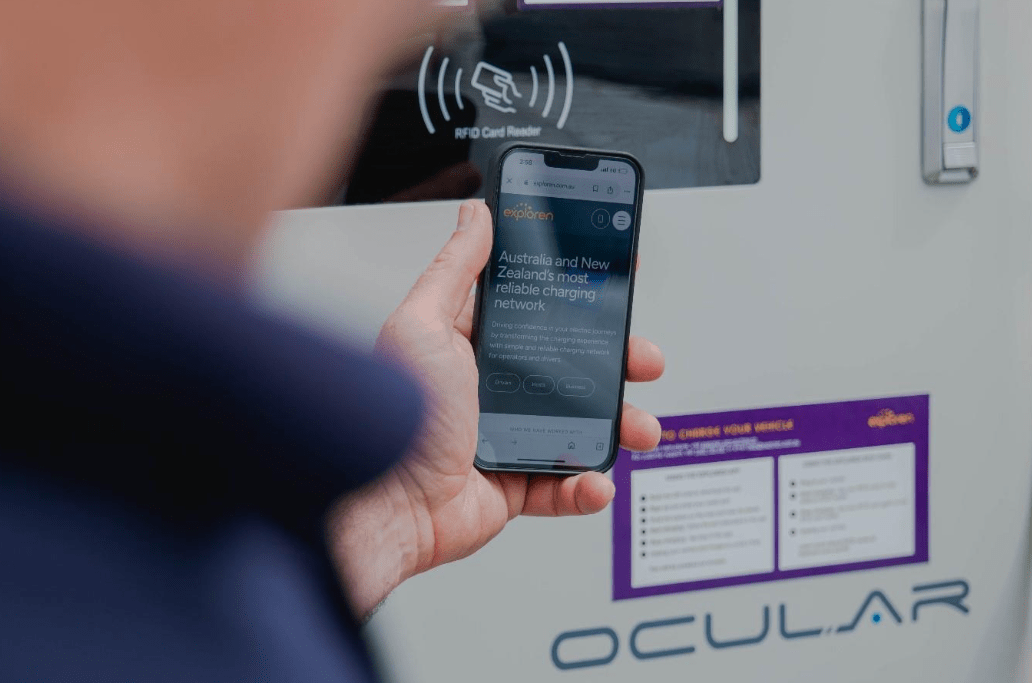
As electric vehicles (EVs) become increasingly popular across Australia, the demand for efficient and affordable charging solutions continues to grow. One of the key innovations leading this transition is the smart EV charging station, a technology that not only makes charging easier for drivers but also helps reduce energy costs and grid load.
In this blog, we’ll explore how smart charging works, why it’s essential for both individuals and businesses, and how it contributes to a more sustainable and cost-effective energy future.
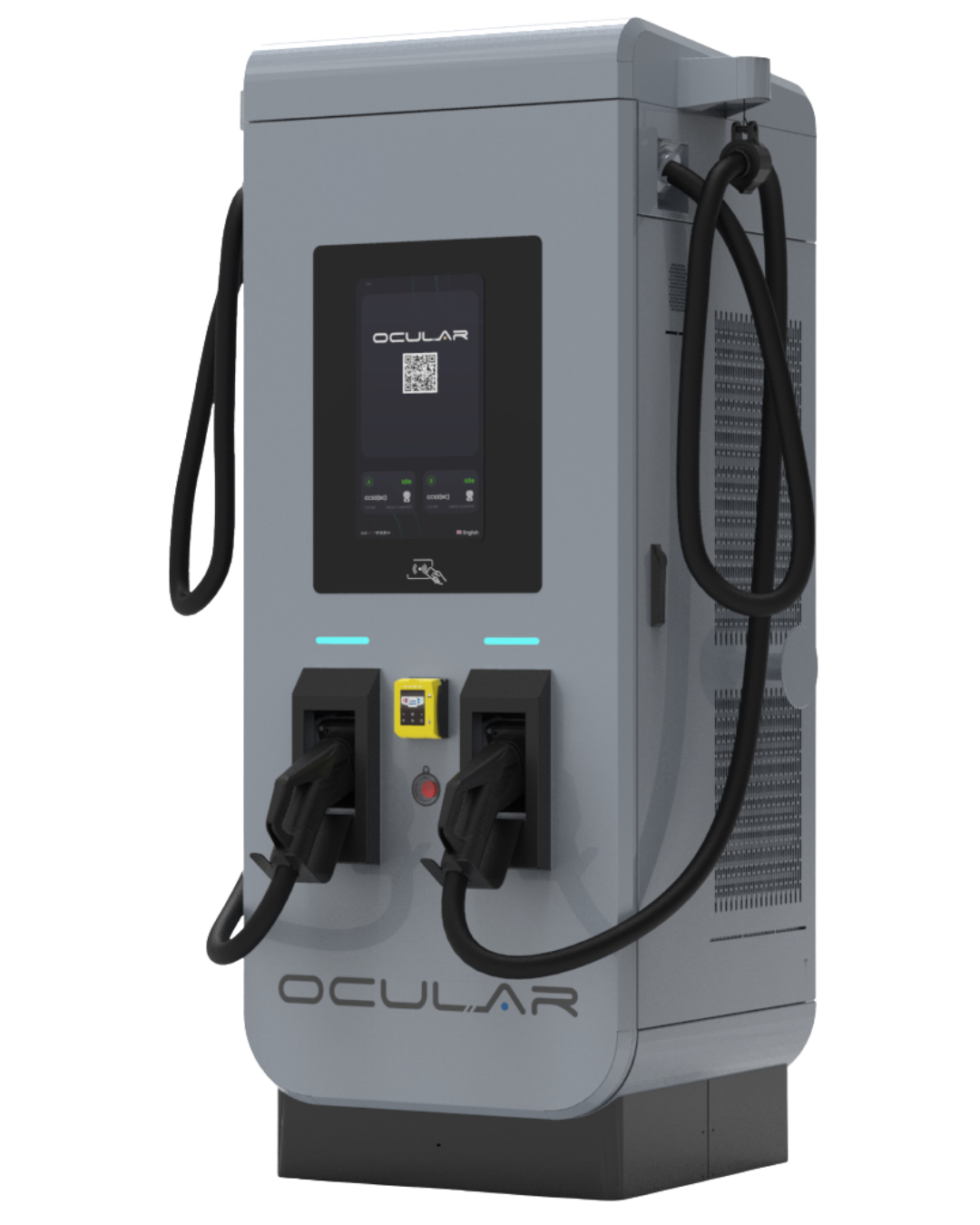
Unlike traditional chargers, smart EV charging stations are connected devices that can communicate with your vehicle, the power grid, and cloud-based energy management systems. They use intelligent algorithms to control when and how fast your EV charges, based on factors such as:
This two-way communication allows for real-time optimisation, helping users charge their vehicles efficiently while supporting grid stability.
One of the biggest advantages of smart EV charging stations is cost savings.
Smart chargers can automatically detect off-peak hours, times when electricity rates are lower and schedule charging during those periods. By doing this, both homeowners and businesses can significantly reduce their electricity bills.
For example, instead of charging an EV during the afternoon peak (when electricity demand is high), a smart charger can delay the session until late at night when rates drop. Over time, this intelligent energy management can save hundreds of dollars annually.
As EV adoption grows, so does the pressure on local power grids. If too many vehicles charge simultaneously, it can cause demand spikes that strain the charging infrastructure.
Smart EV charging stations help balance this by using load management features. These features distribute available power evenly across multiple chargers, ensuring that the total grid load stays within safe limits.
Utilities and energy providers also benefit, as they can coordinate charging patterns to prevent power fluctuations and maintain overall grid stability.
Another key advantage of smart EV charging is its ability to integrate with renewable energy sources, such as solar or wind.
For homes and businesses with solar panels, a smart EV charger can prioritise energy from solar generation, reducing reliance on grid electricity. This means your EV can charge using clean, self-generated power, further lowering costs and your carbon footprint.
Additionally, smart charging networks can schedule charging during peak solar and wind generation, to make the most of sustainable energy.
Whether you’re a homeowner, business owner, or fleet manager, investing in smart EV charging today is a step toward lower energy costs, cleaner power, and a more resilient grid.
Smart EV charging stations are more than just convenient, they’re an essential tool for managing energy intelligently. By reducing costs, easing grid demand, and promoting renewable use, these chargers are helping power Australia’s transition to a smarter, greener transportation future.
Contact Ocular Charging today and get our best EV chargers wholesale deals now!
1300 912 650
[email protected]