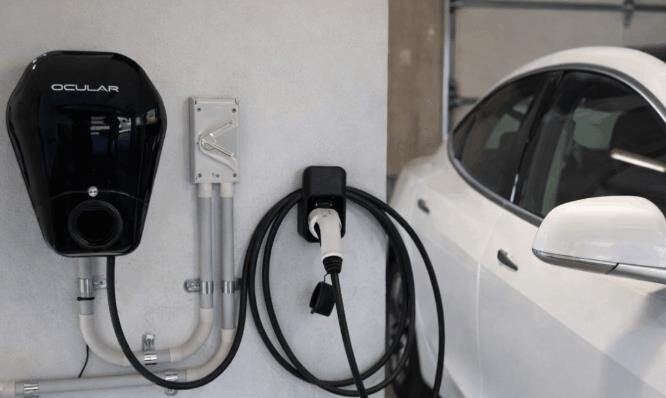
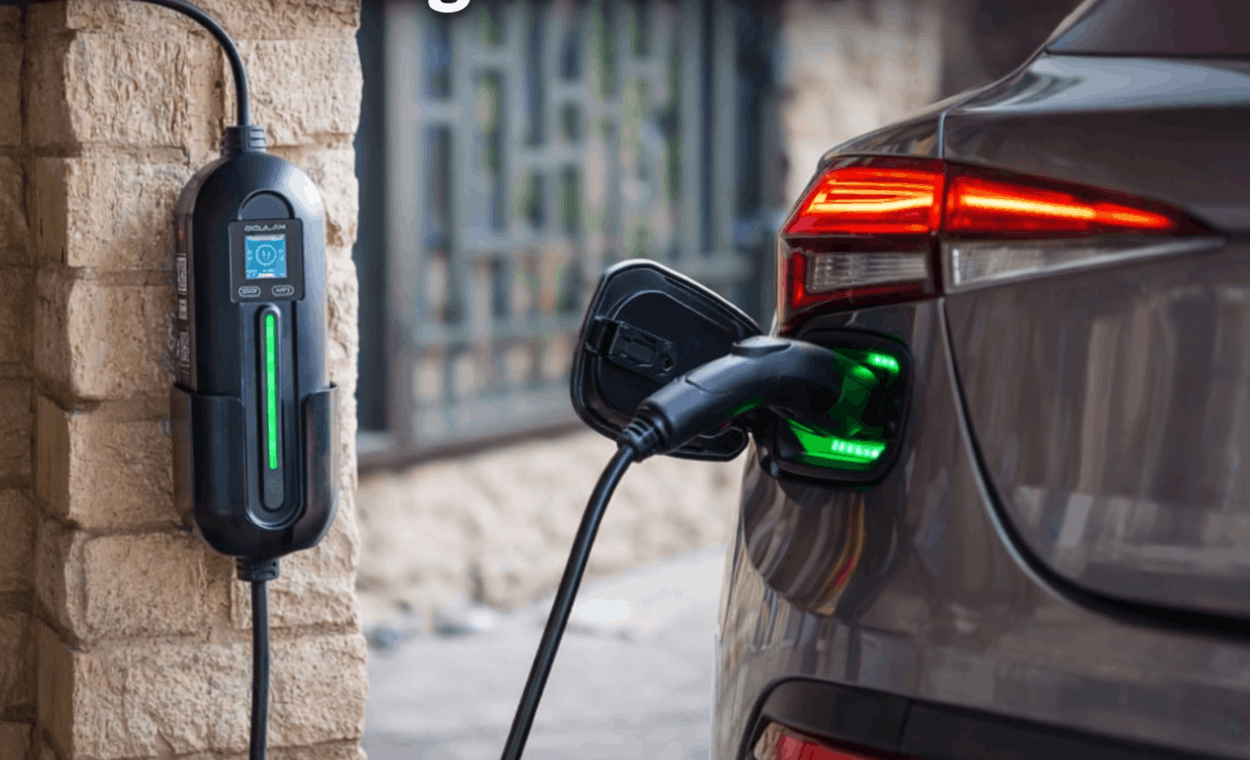
Residential EV Chargers
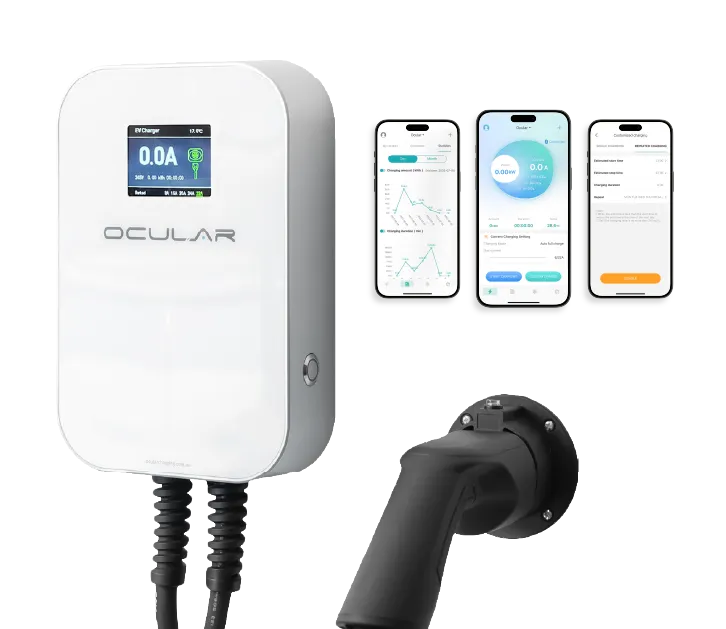
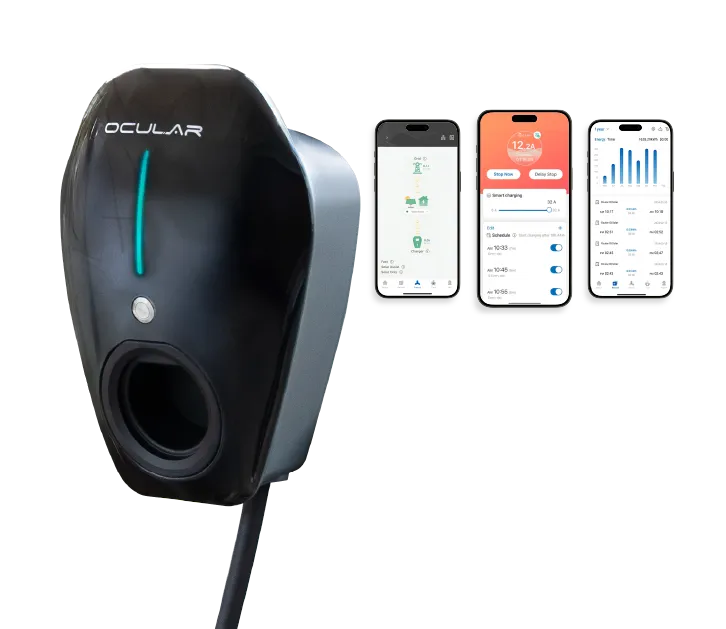
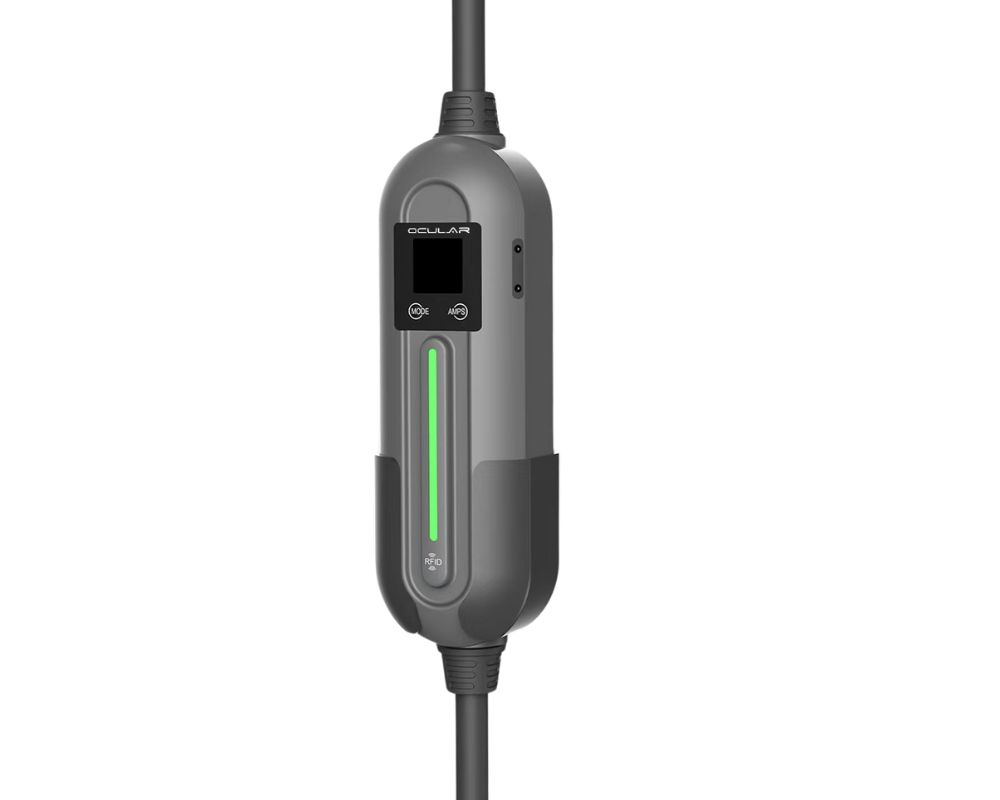
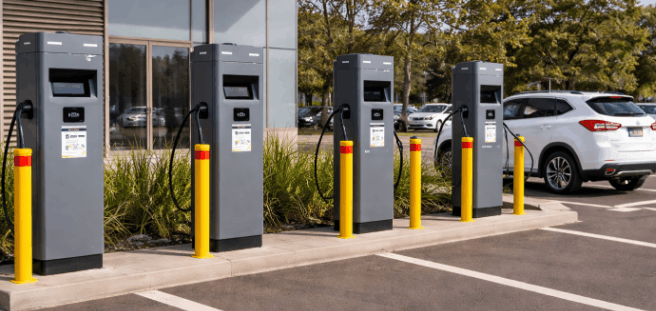
Commercial EV Chargers
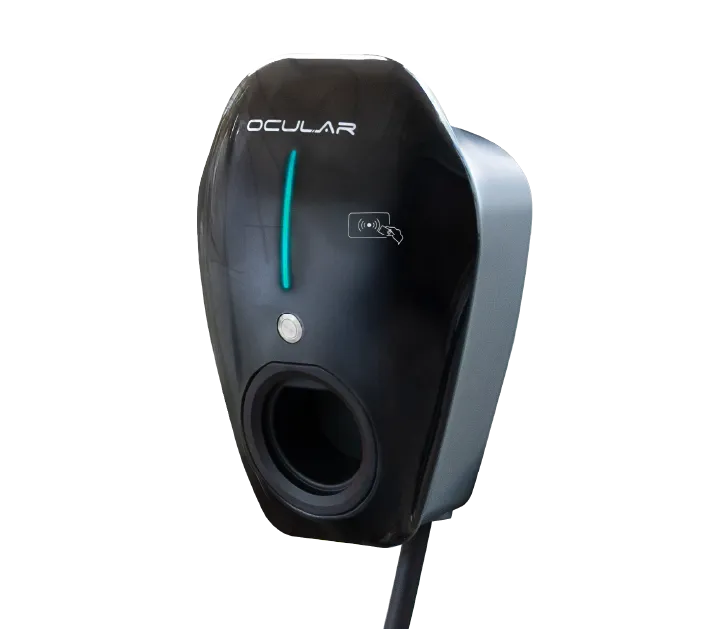
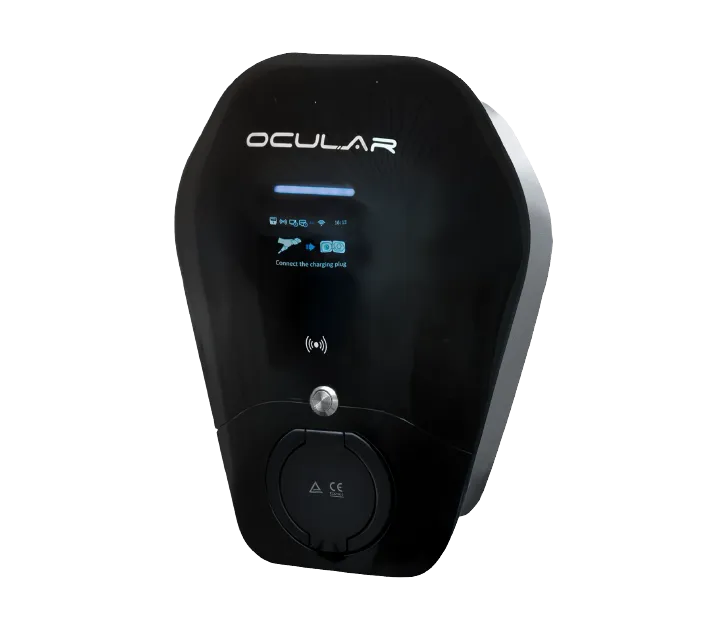
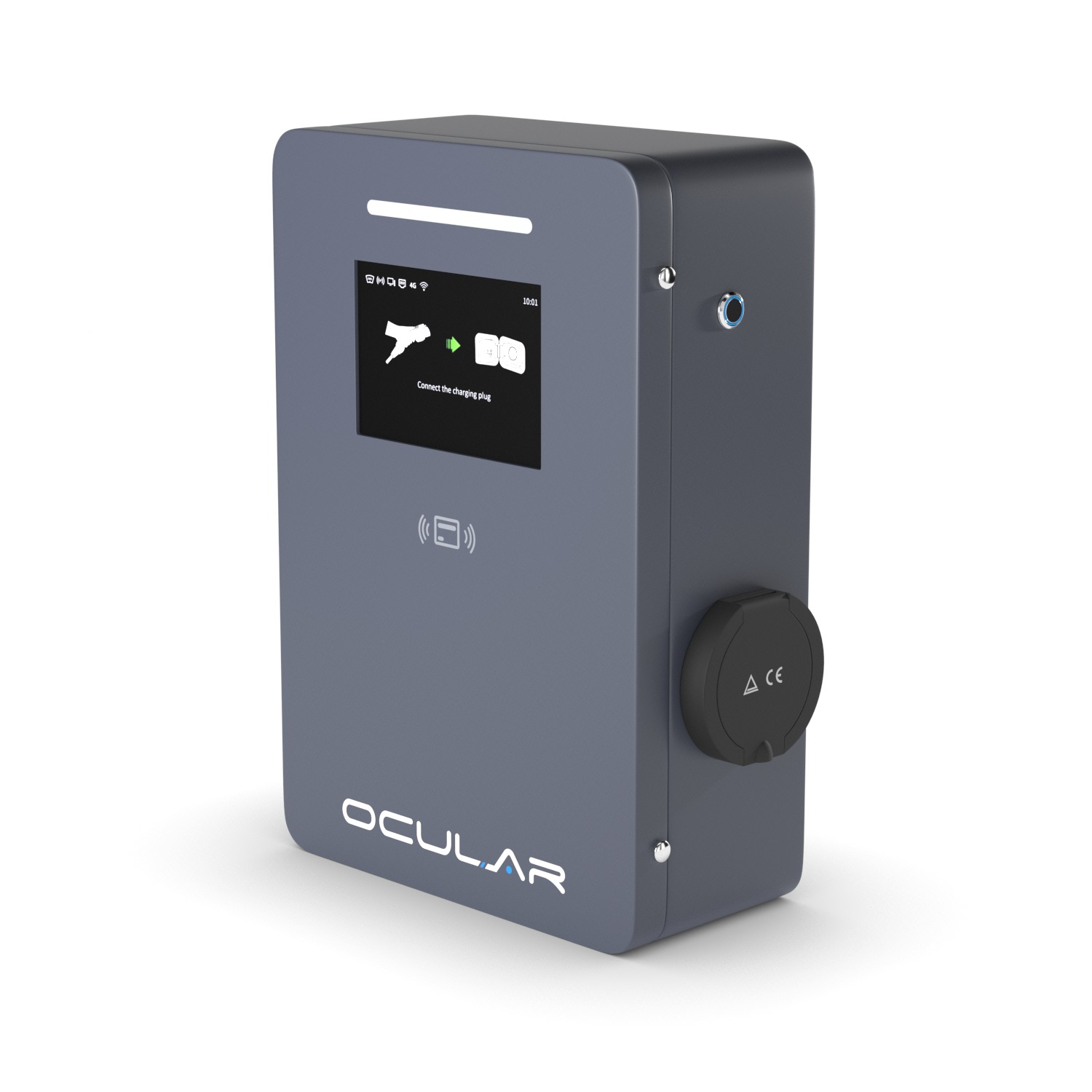
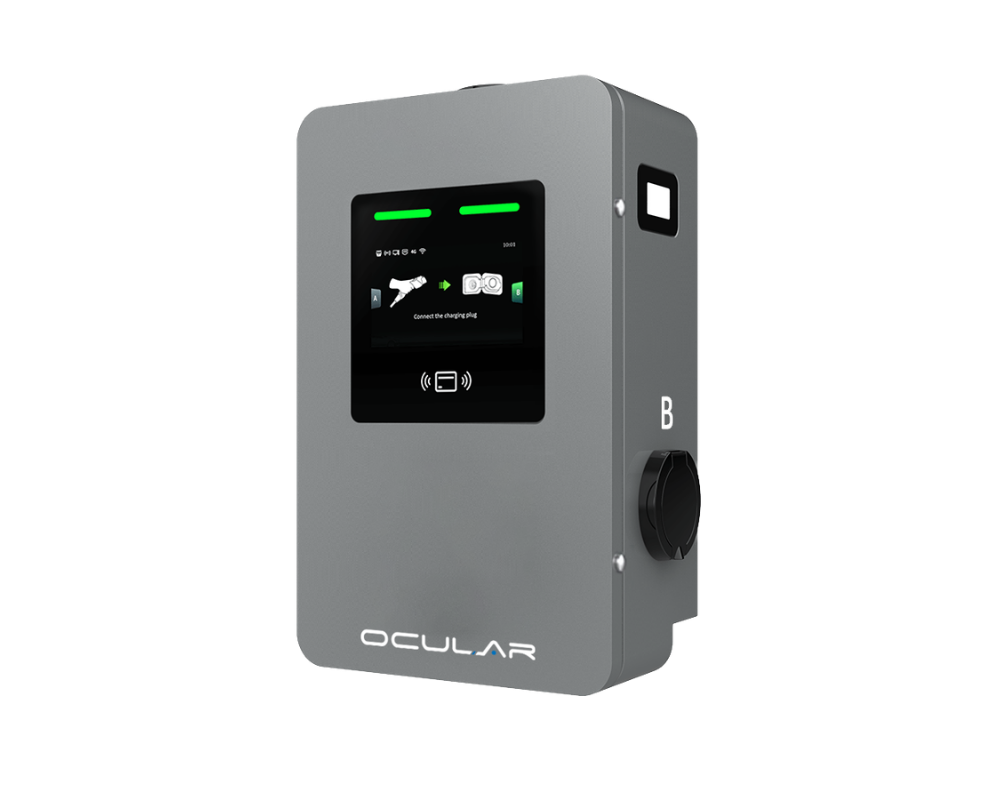
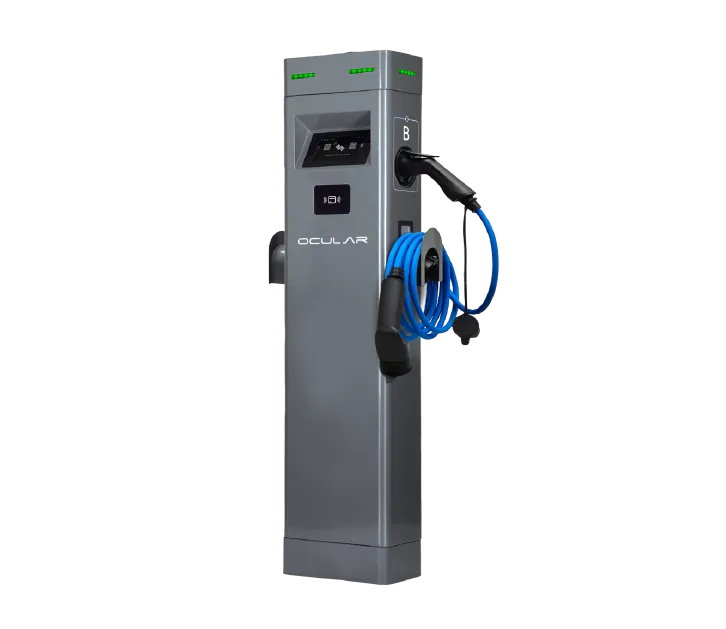
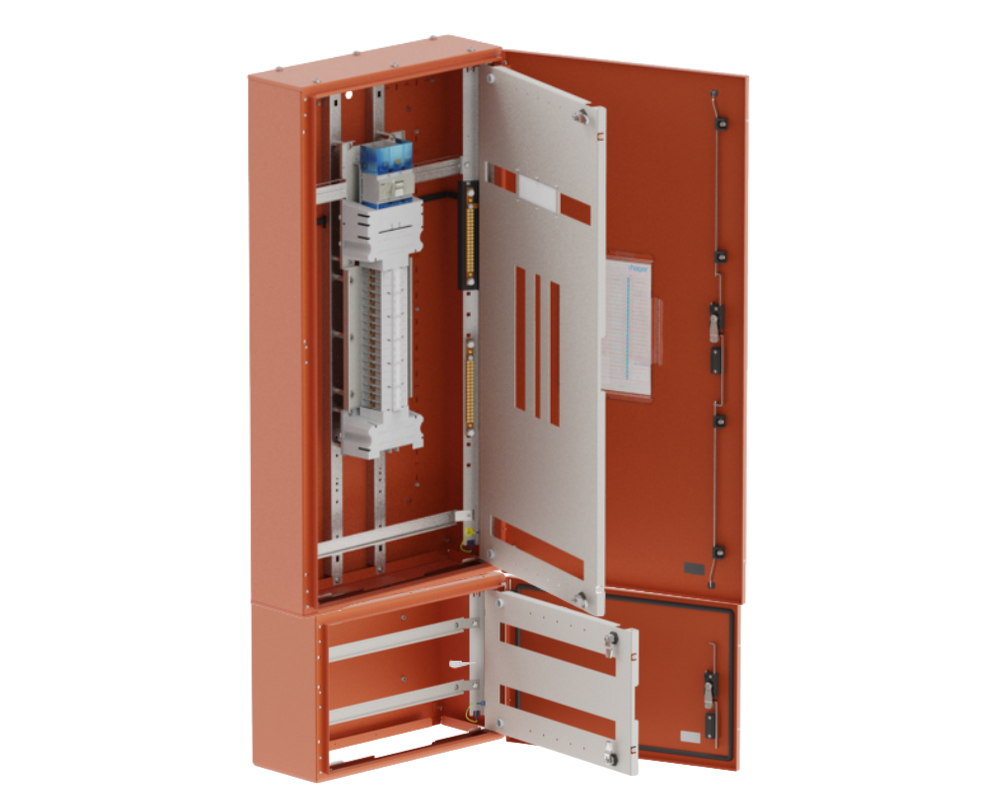
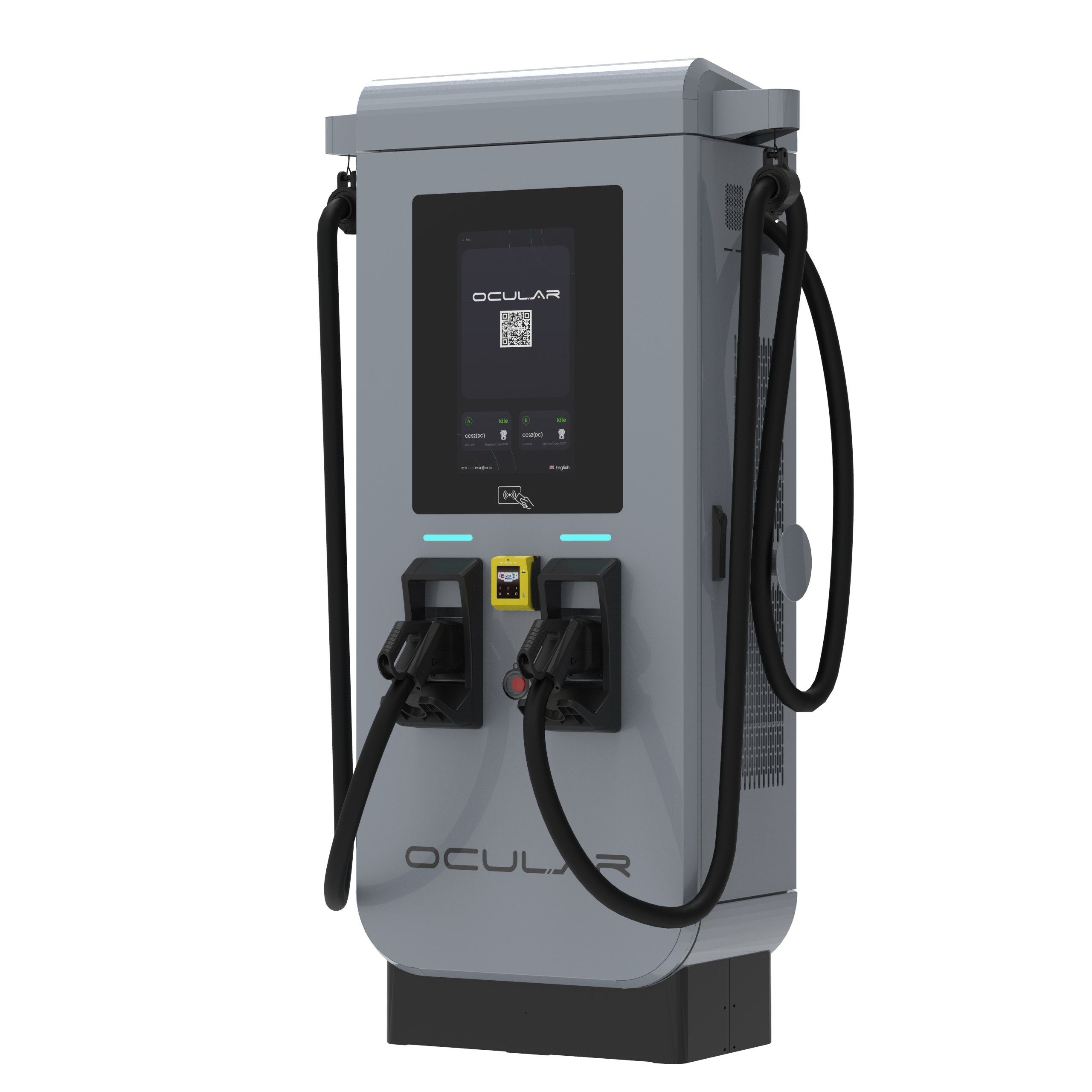
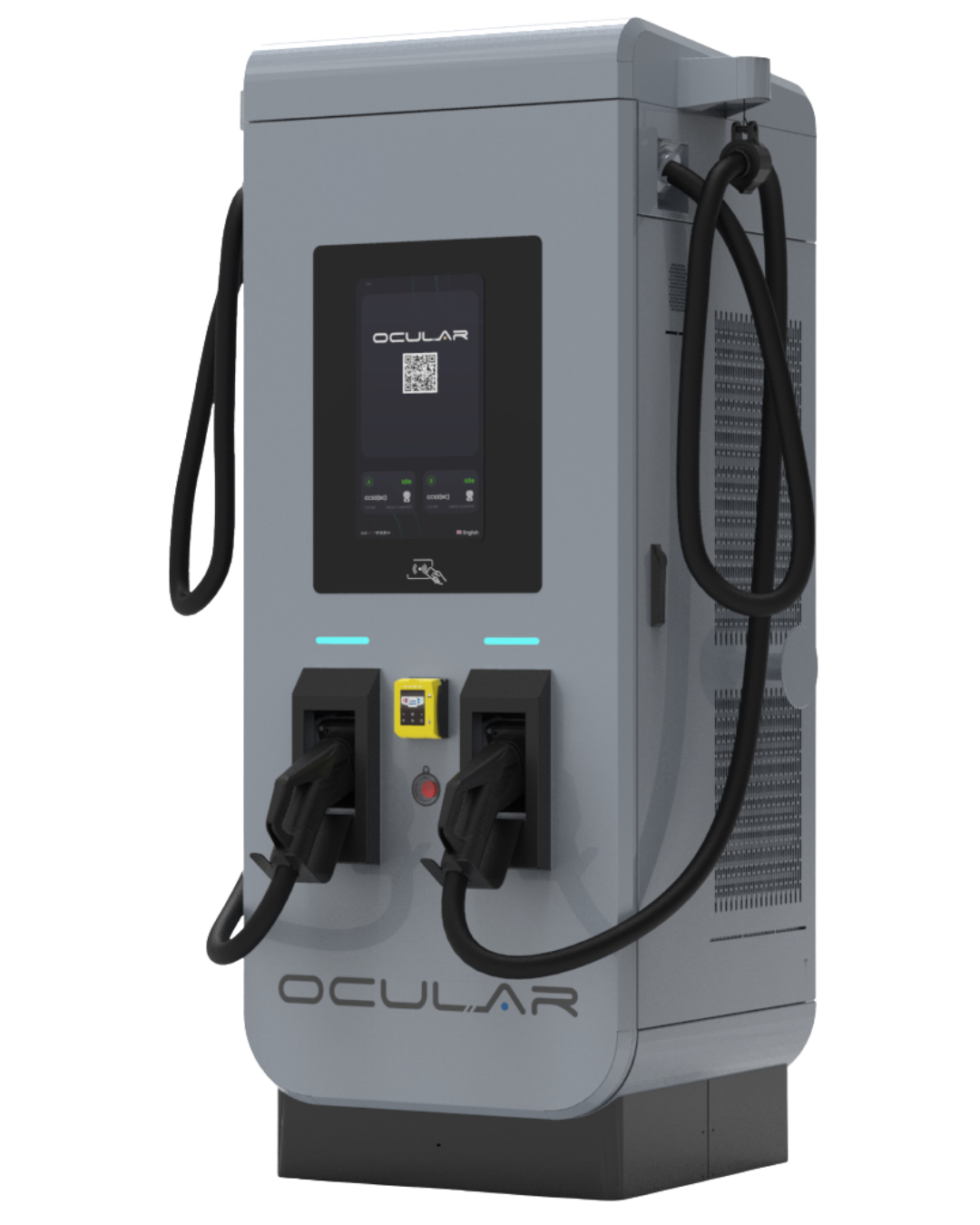
DC Chargers

As electric vehicles (EVs) become increasingly popular in Australia, more drivers are exploring the benefits of installing a home EV charger. Having a personal charging station not only adds convenience but also ensures your car is always ready to go. Before you take the plunge, here are some key things to know.
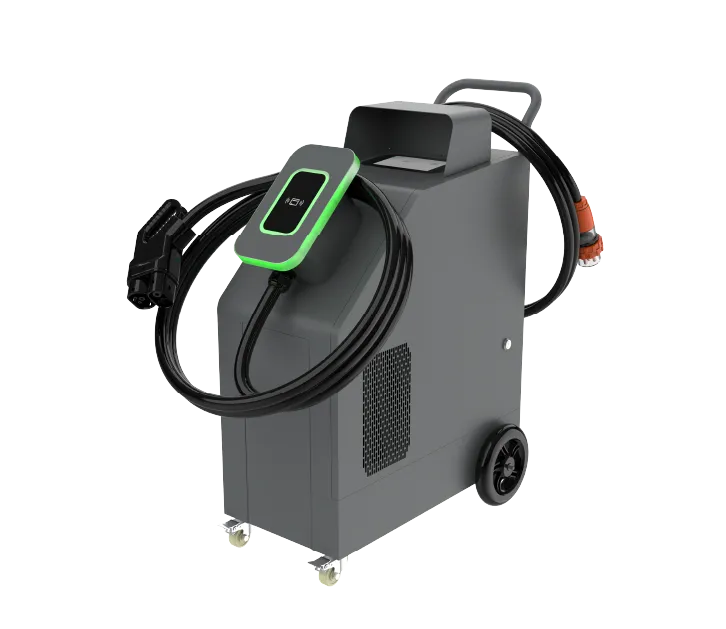
Not all EV chargers are the same. The right choice depends on your driving habits, vehicle battery size, and how quickly you need to recharge. A standard Level 2 home charger (usually 7kW to 22kW) is a great option for overnight charging, while a smaller plug-in portable charger may be enough if you only drive short distances.
Before installation of EV charger, it’s important to confirm whether your home’s electrical system can handle the added demand. Many homes may require an upgrade to the switchboard or wiring to safely support a high-powered charger. Consulting a licensed electrician will help you determine compatibility. Your home’s power will also determine if you will be able to install a 22kW or only a 7kW.
Where you install your charger matters. Ideally, it should be close to your vehicle’s parking spot, protected from the weather, and easy to access. Think about whether you want a tethered (cable attached) or socketed (plug in your own cable) charger based on convenience and flexibility. It is also ideal to install a charging station close to your home’s switchboard to minimise installation costs. Longer distances mean longer cable runs and higher costs.
The cost of a home EV charger goes beyond the unit itself. Installation fees, potential electrical upgrades, and any additional cabling or trenching can affect the total price. Getting quotes from accredited installers is the best way to plan your budget.
Modern chargers often come with smart features, such as Wi-Fi connectivity, load management, and charging schedule options. These features can help you save money by charging during off-peak hours or by balancing energy use if you have solar panels.
Depending on your state or territory, you may be eligible for government rebates or incentives when installing a home EV charger. These programs can reduce upfront costs and make your investment even more worthwhile. Check your state government websites or speak to your EV charger provider to understand if you are eligible for any grants or subsidies.
Contact us to learn more about the best EV Charging Stations in Australia
1300 912 650