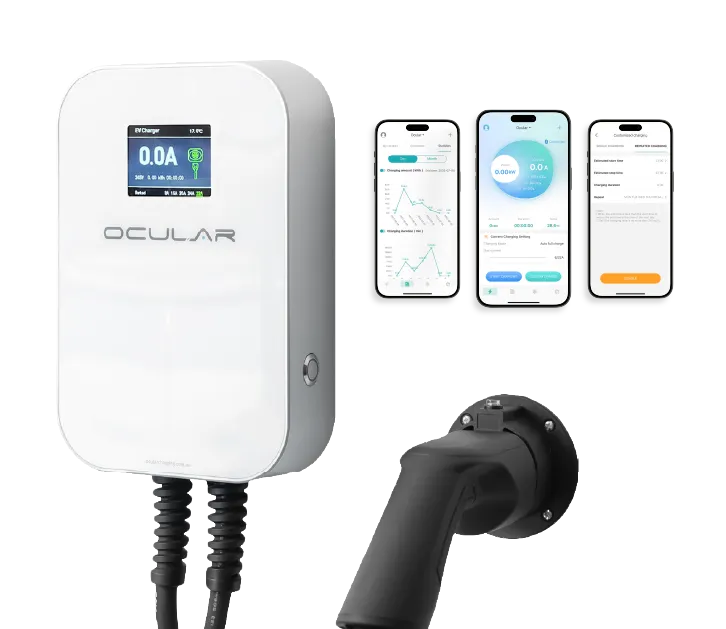
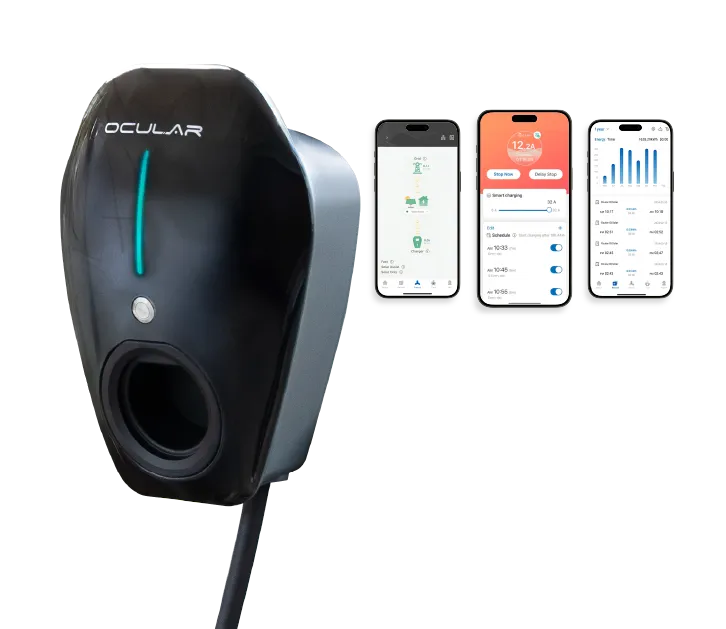
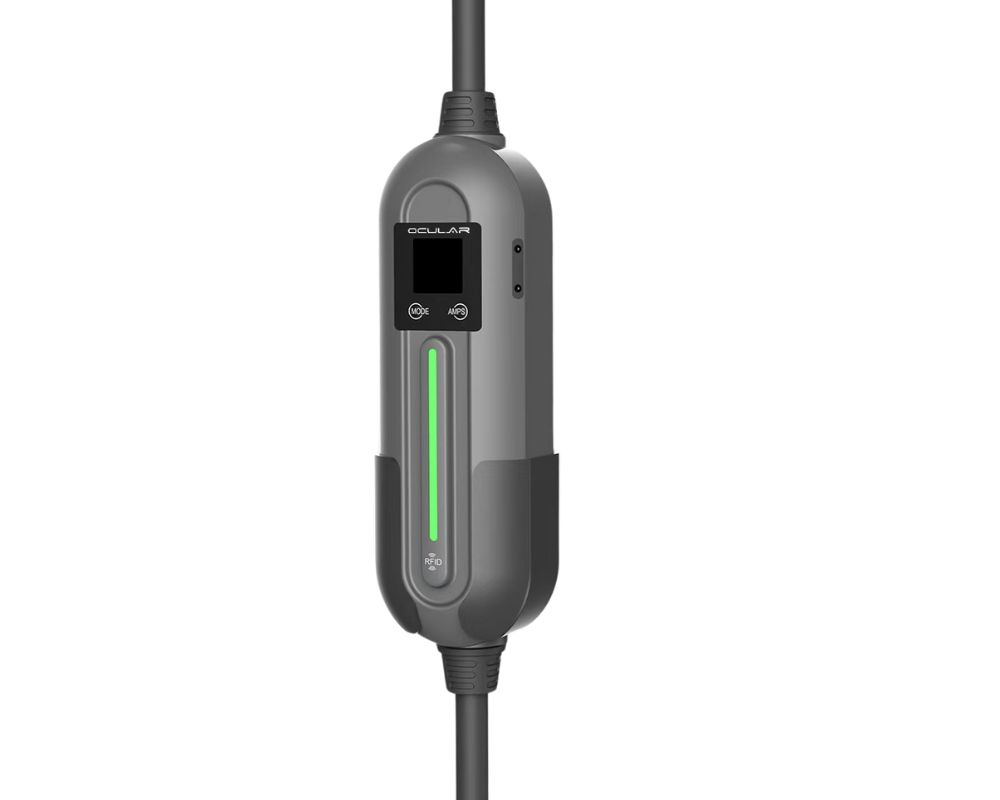
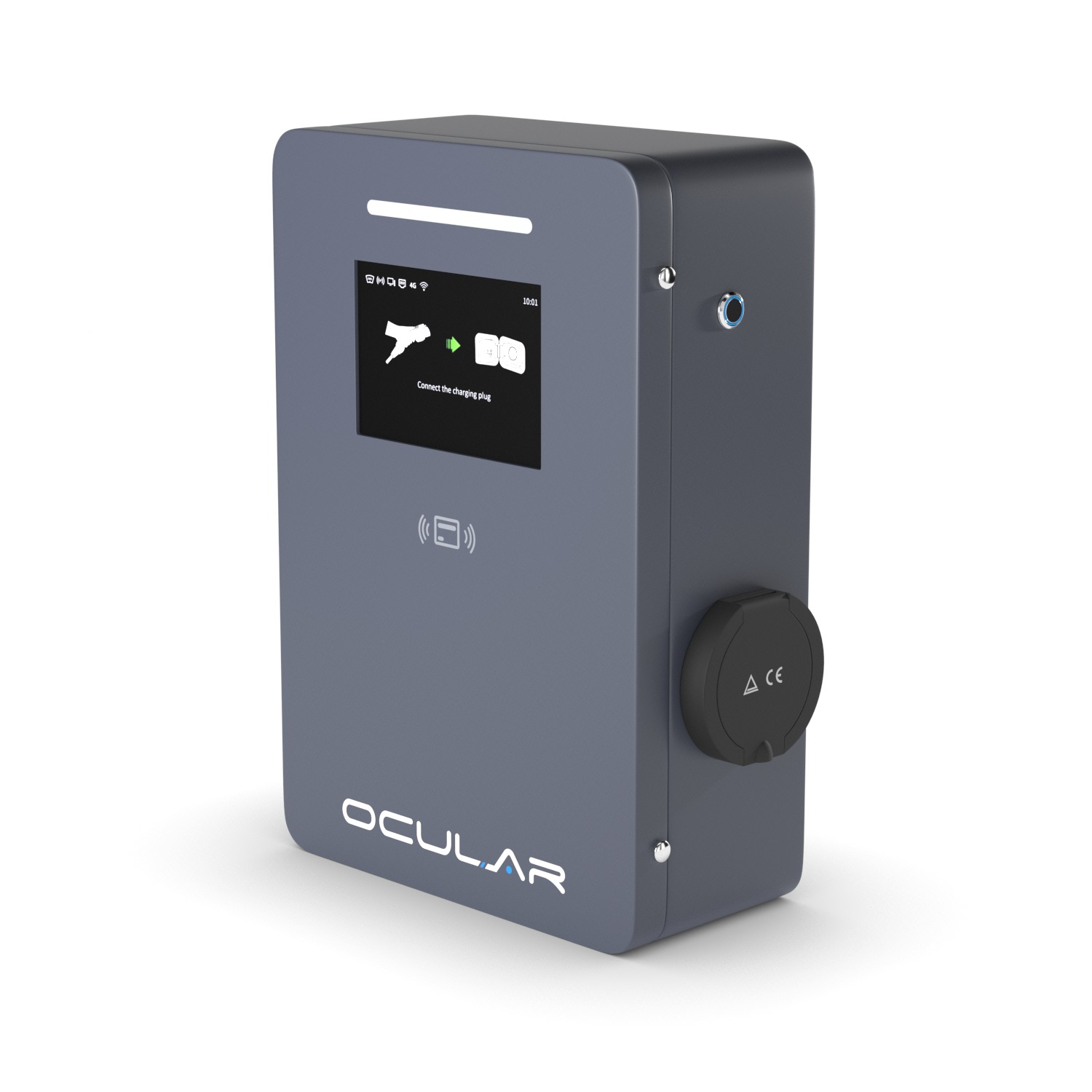
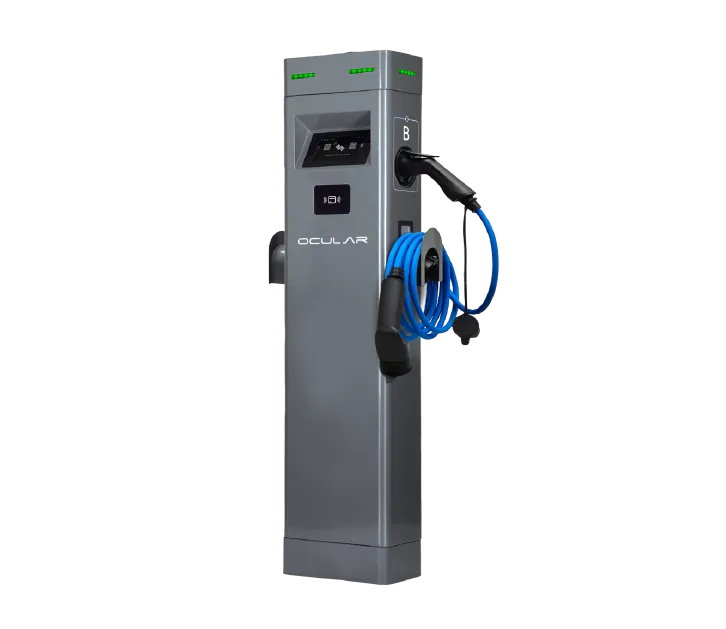
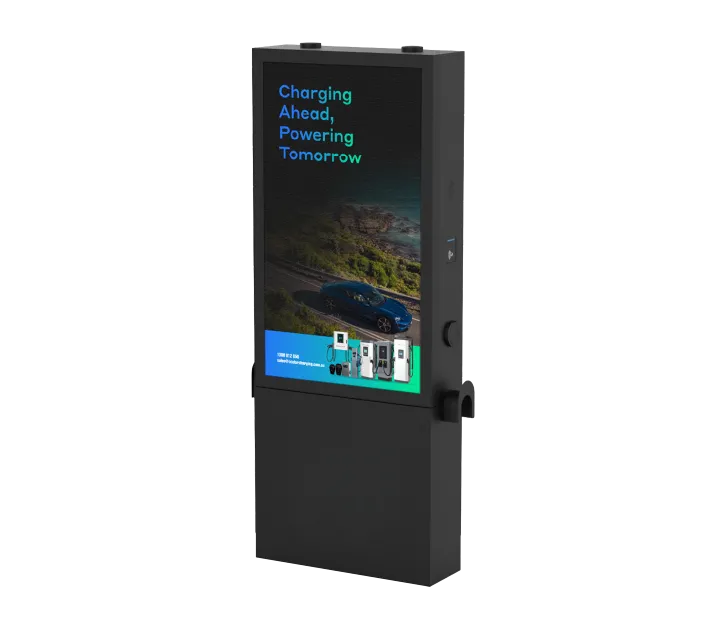
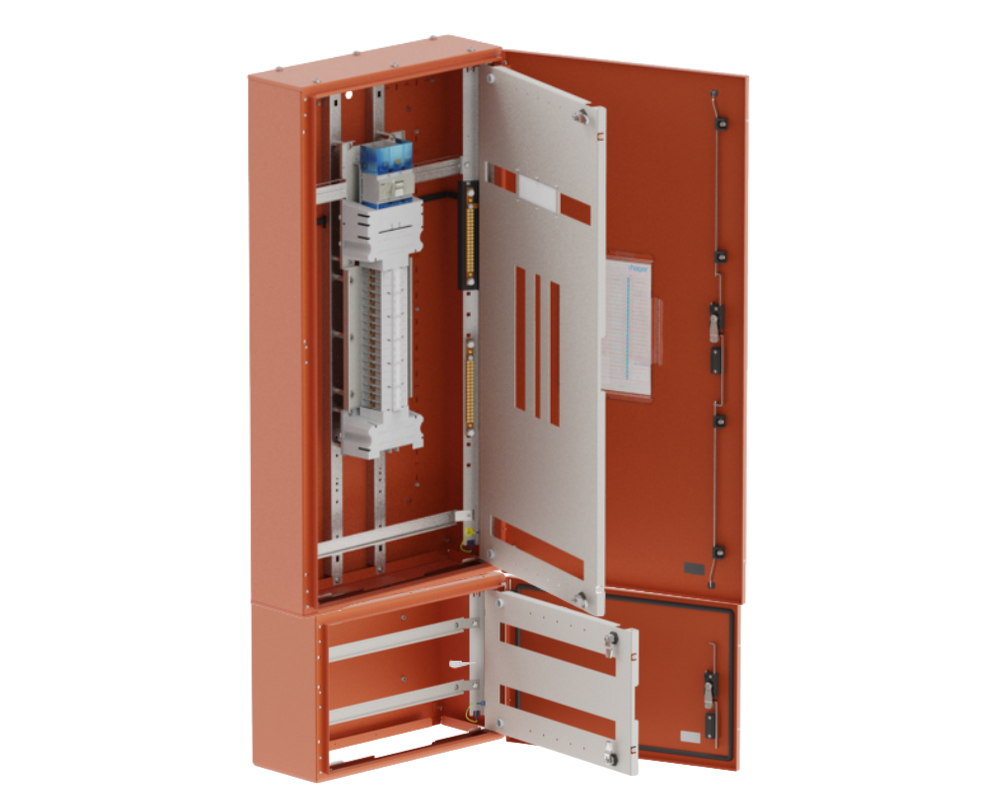
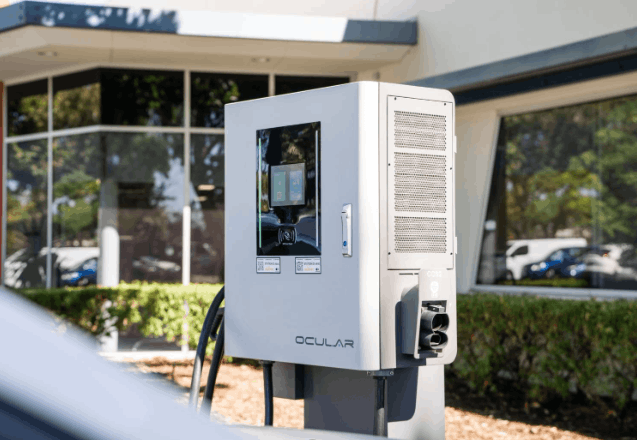
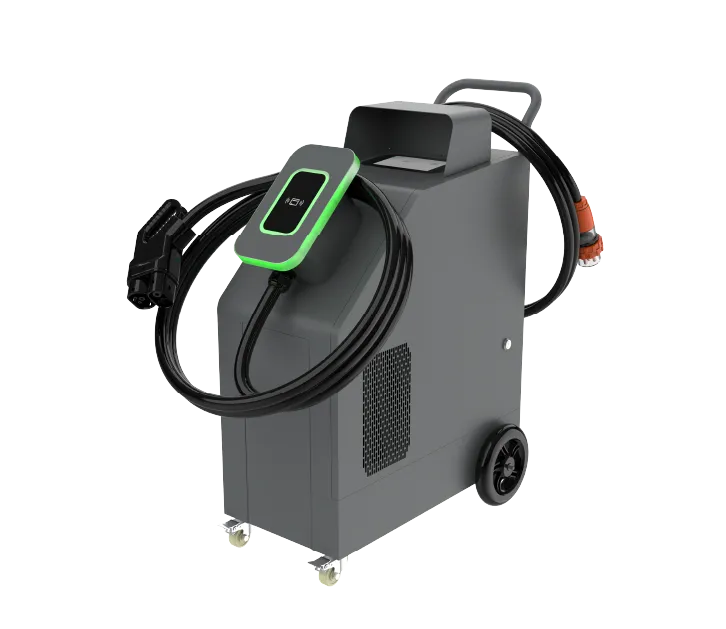
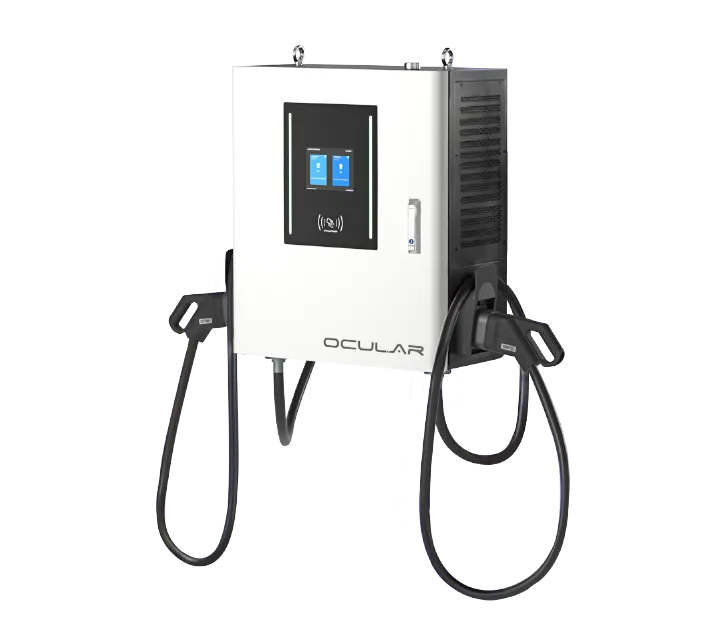
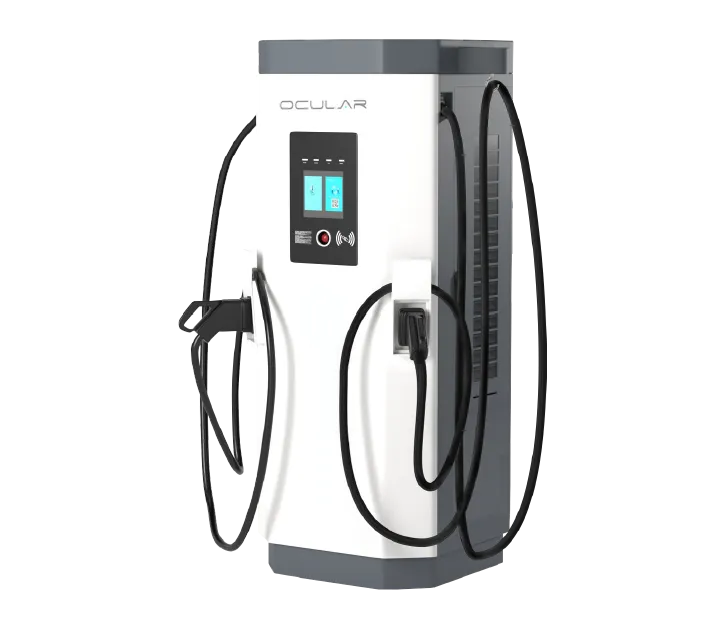
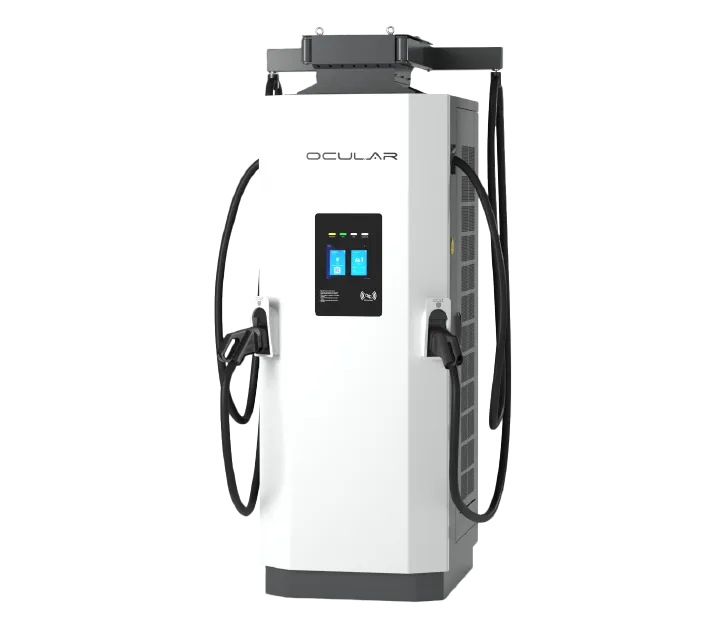
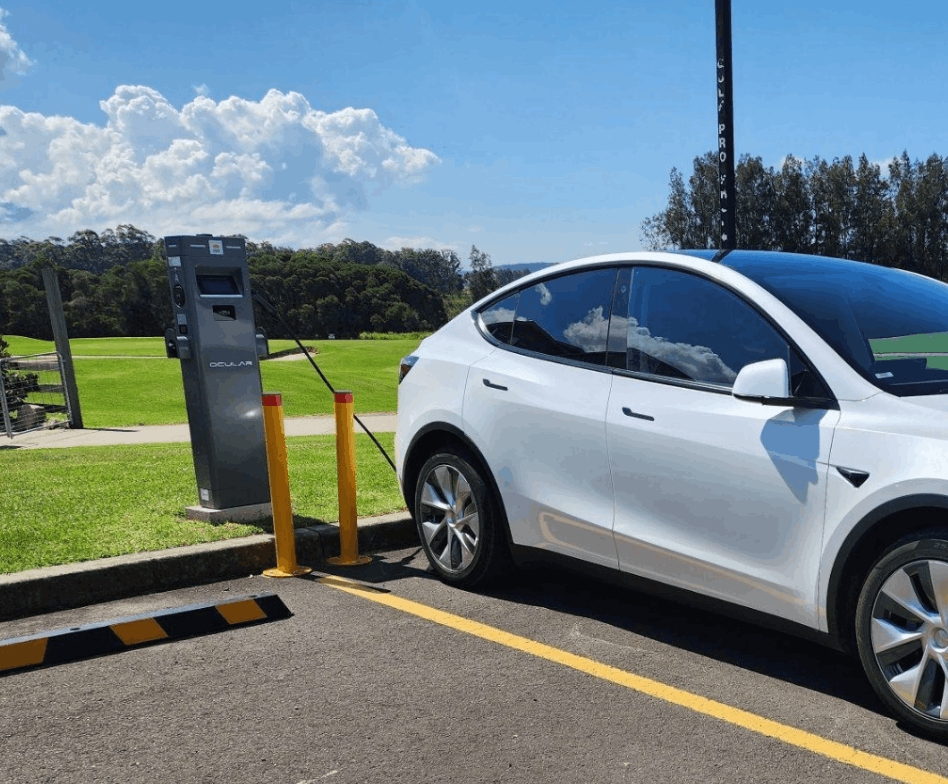
As electric vehicles (EVs) grow in popularity, reliable and safe charging infrastructure is essential.
In Australia, EV charging stations must meet a range of national regulations, technical standards, and minimum operating requirements to ensure safety, accessibility, interoperability, and build user confidence in public and private charging networks.
National Standards for EV Charger Installation
All EV charging equipment and installations in Australia must comply with Australian and New Zealand electrical standards and safety rules:
- AS/NZS 3000 (Australian/New Zealand Wiring Rules): This foundational standard ensures safe electrical installations, including correct wiring, circuit protection, earthing and equipment specifications for EV chargers. All EV charger installations must be carried out by lLicensed electricians.
- RCD Protection & Dedicated Circuits: EV chargers must be installed on dedicated electrical circuits with appropriate residual current devices (RCDs) and circuit breakers correctly sized to handle load safely.
Additional AS/NZS Standards: Depending on the installation, other standards may also apply, including:
- AS/NZS 60947 for switchgear and control equipment
- AS/NZS 4777 for grid-connected inverter systems
- AS/NZS 5139 for battery energy storage systems, particularly when chargers are integrated with solar or on-site storage
These technical standards help ensure that chargers are safe, compliant with electrical regulations, and suitable for Australian conditions.
Minimum Operating Standards for Public Chargers
Under the National Electric Vehicle Strategy, Australian governments have developed minimum operating standards for public ev chargers especially those that receive government funding. These standards aim to make charging networks more consistent and dependable across the country.
Key elements include:
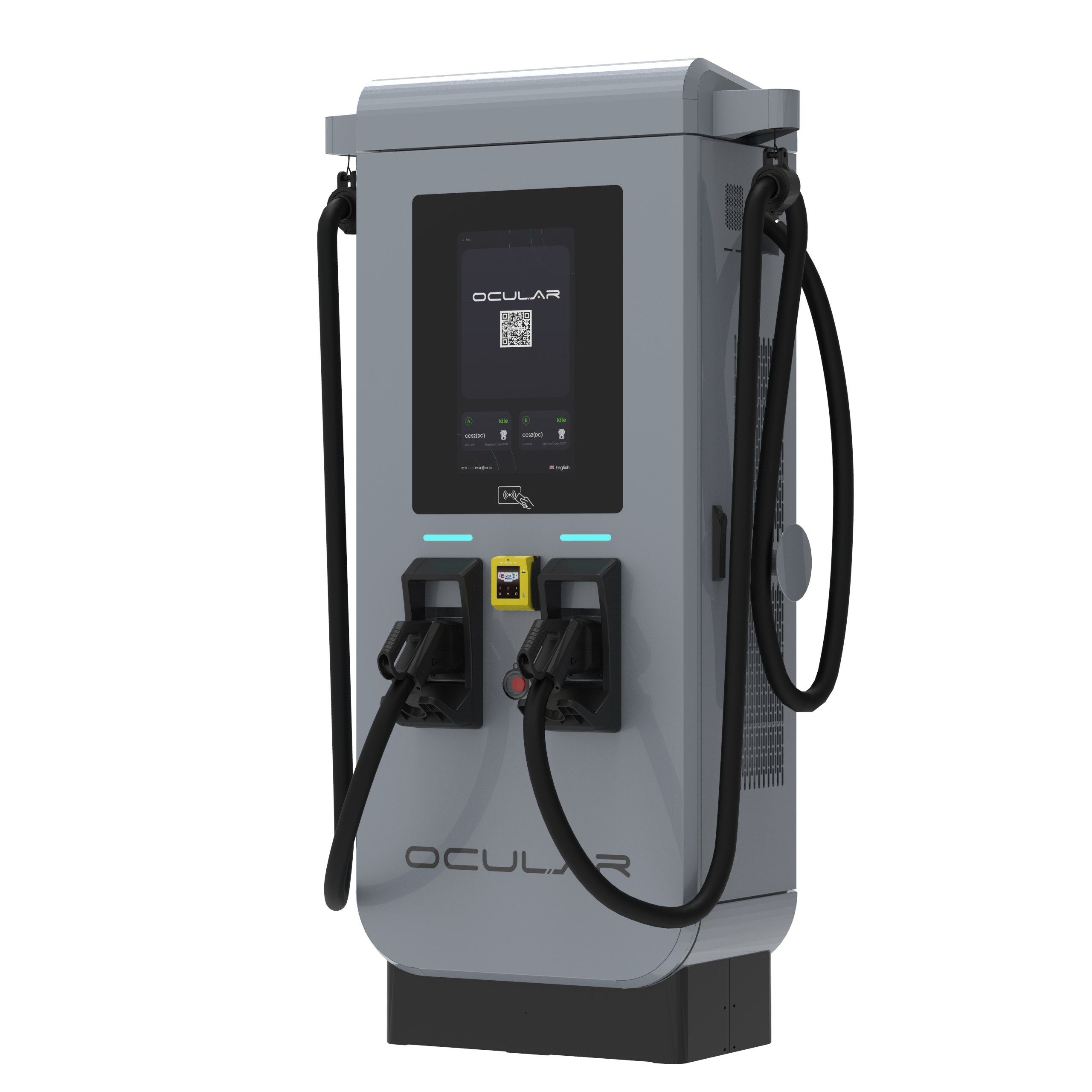
- Connector Standards: The Combined Charging System (CCS2) plug is the preferred connector type for most new DC fast chargers, reflecting the technology used in most modern EVs. CHAdeMO may still be allowed in limited or transitional specific cases.
- Accessibility and Interoperability: Chargers should be accessible to all drivers, including people with disabilities, and support interoperable payment and charging methods.
- Real-Time Availability Data: Operators are encouraged to provide live status and availability data to public platforms so drivers can locate working chargers easily.
These minimum requirements play a key role in improving charger reliability and usability for EV drivers.
State and Local Regulations
In addition to national standards, state and territory regulations affect EV charging infrastructure:
- Certificates and Compliance: Some states like New South Wales and Victoria require compliance certificates or electrical safety documentation for EV charger installations.
- Local Development Rules: Local councils may include EV charging or EV-ready parking requirements in building and planning approvals, particularly for commercial and multi-unit residential developments.
- Grid Connection Requirements: Distribution Network Service Providers (DNSPs) in many states set rules for grid connections, including notification thresholds, load assessments or formal approval processes.
These local rules ensure that installations don’t compromise safety or grid performance and help manage increased electricity demand from charging loads.
Safety and Compliance Principles
Across Australia, EV charging regulations focus on:
- Safety: Protecting users,vehicles and electrical systems through tested standards and licensed installations.
- Reliability: Ensuring chargers work consistently and meet minimum operating conditions, especially for publicly funded sites.
- Accessibility: Making chargers easy to use for all drivers, including those with accessibility needs.
- Interoperability: Supporting standard plug types and communication protocols so vehicles and chargers from different manufacturers work together.
The Future of EV Charging Standards in Australia
EV charging standards are evolving as technology and adoption accelerate. Future updates are expected to include mandatory demand-response capabilities, improved safety classification for higher-power installations, and future rules for bi-directional charging (V2G/V2H) and more advanced communication protocols.
As Australia continues to expand its EV infrastructure, consistent and robust regulations will play a crucial role in ensuring that EV charging networks are safe, reliable, and ready to support the growing number of electric vehicles on the road.
Contact Ocular Charging today and get our best EV chargers wholesale deals now!
1300 912 650
[email protected]