Residential EV Chargers
Commercial EV Chargers


DC Chargers
As EV adoption accelerates across Australia, more fleet operators, property owners, councils and infrastructure developers are moving past the question of whether they need DC fast charging and asking a smarter one: what type of DC charging architecture actually suits their site?
The answer matters more than it might seem. Choose the wrong hardware setup and you could end up with infrastructure that’s difficult to expand, inefficient with available power, or simply oversized for what your site needs. Choose the right one and your EV charging investment will serve you well for years to come.
This guide breaks down the key differences between standalone DC chargers and satellite DC charging systems and helps you work out which hardware architecture is the better fit for your situation.
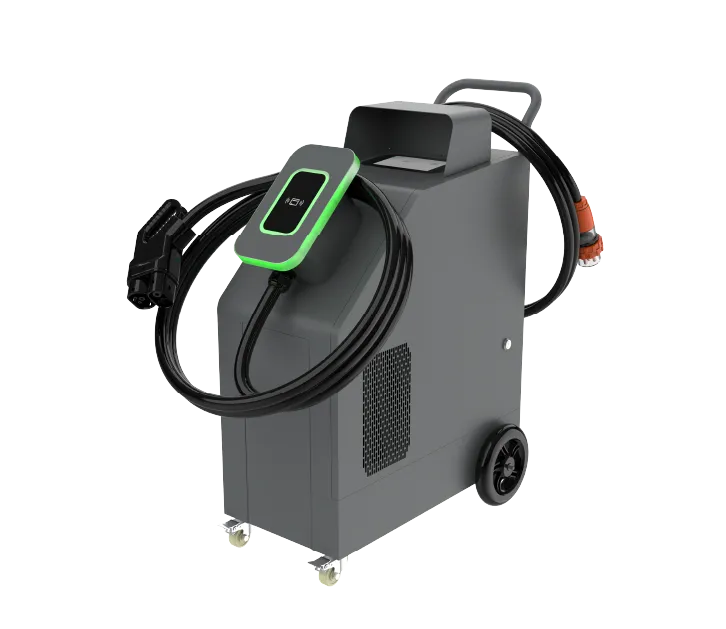
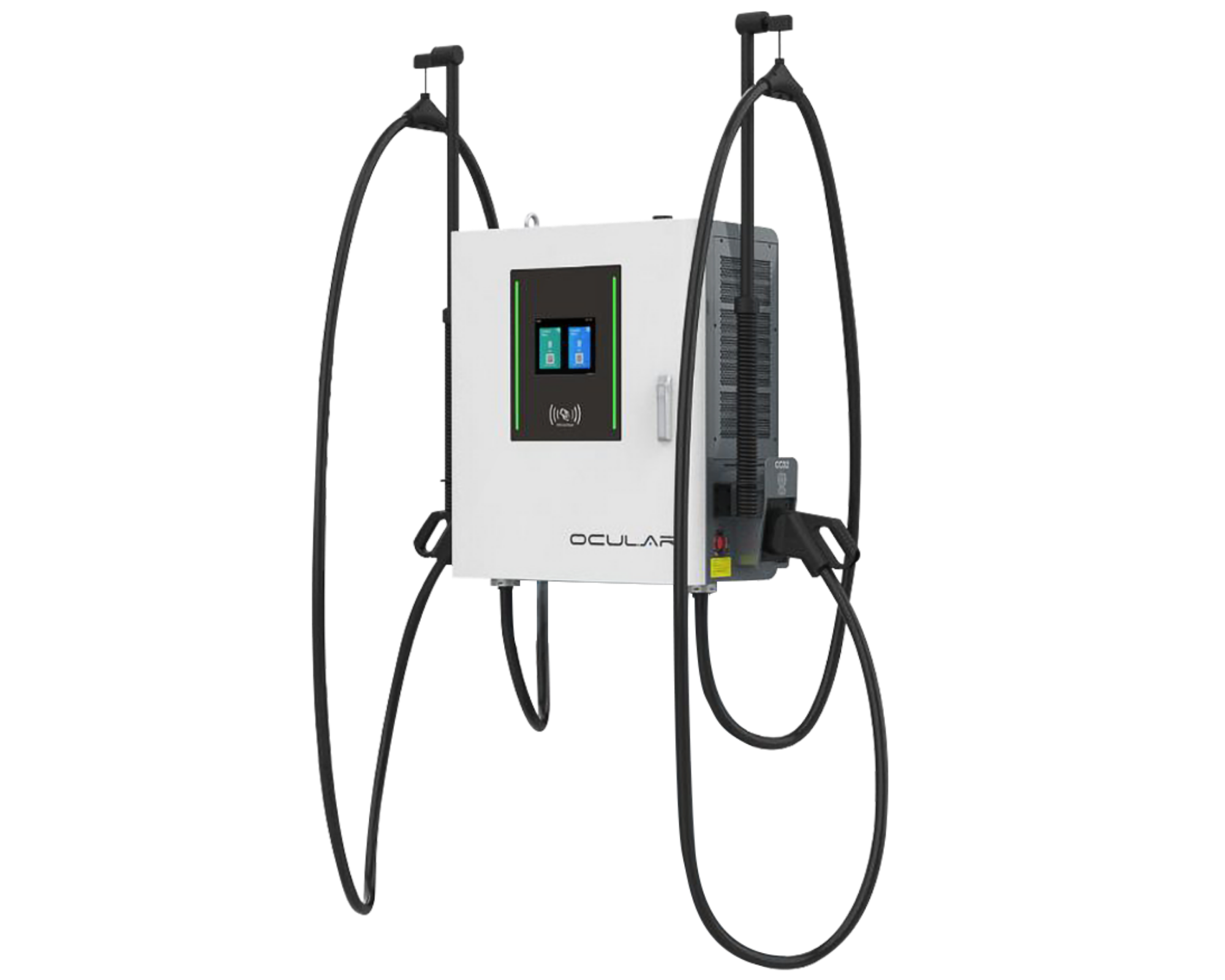
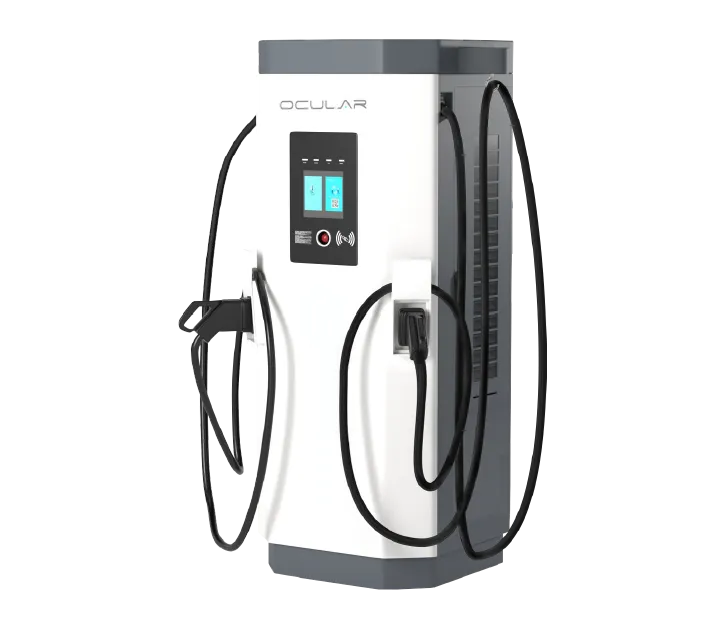
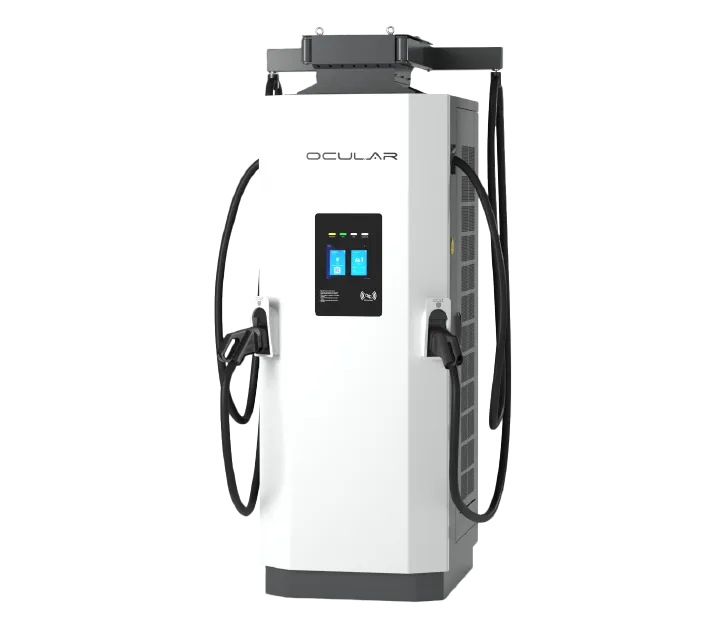
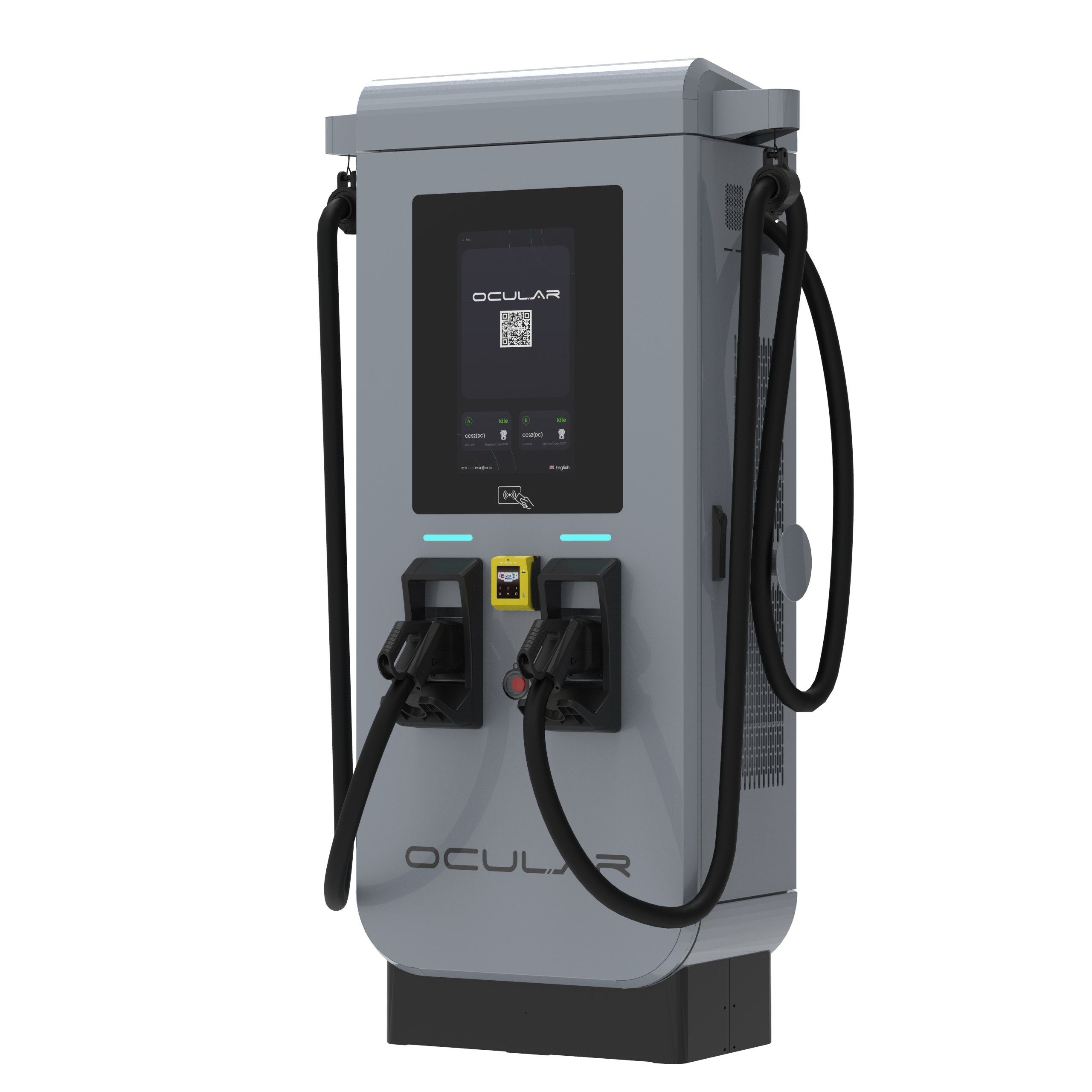
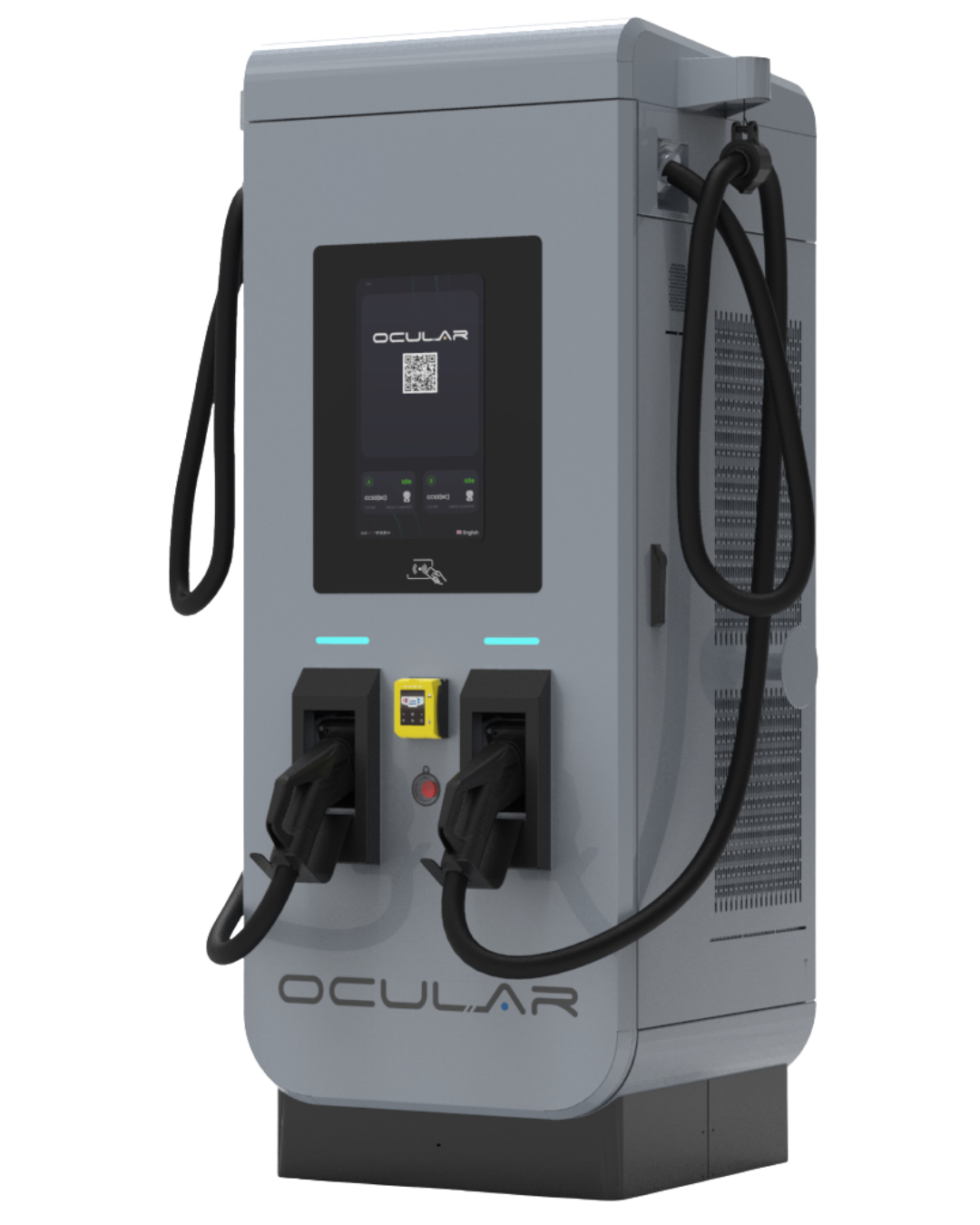
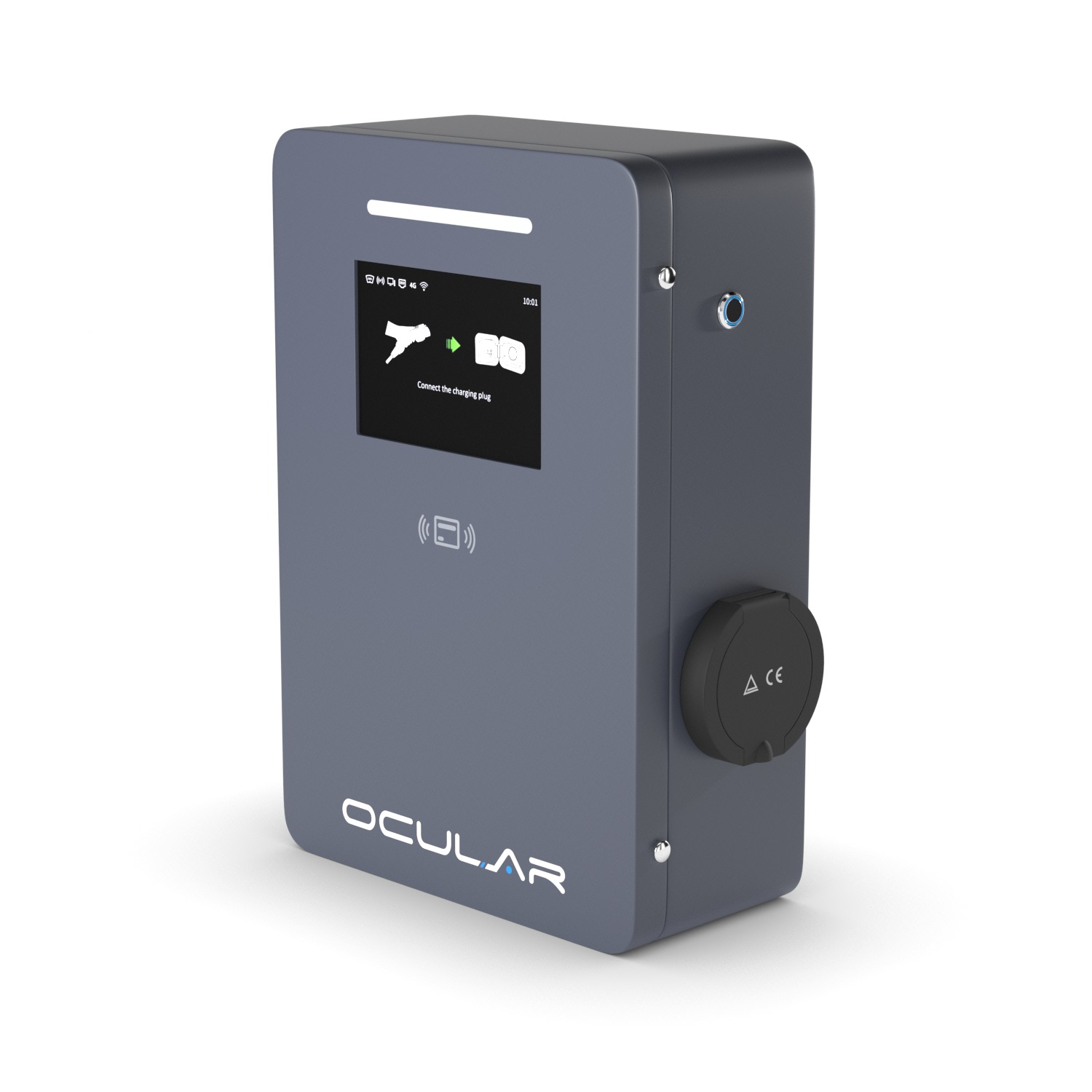
A standalone DC charger is an all-in-one unit. The power electronics, user interface and charging cables are all housed within a single cabinet plug in, configure and charge.
This type of setup suits sites that need one or two DC fast chargers without complex infrastructure. Common use cases include:
Standalone DC chargers are a practical choice when the charging requirement is clear, contained and unlikely to change significantly. If a site needs a single 60kW, 120kW or 180kW charger to serve visitors, staff or a small fleet, a standalone unit will often be the most straightforward and cost-effective hardware option.
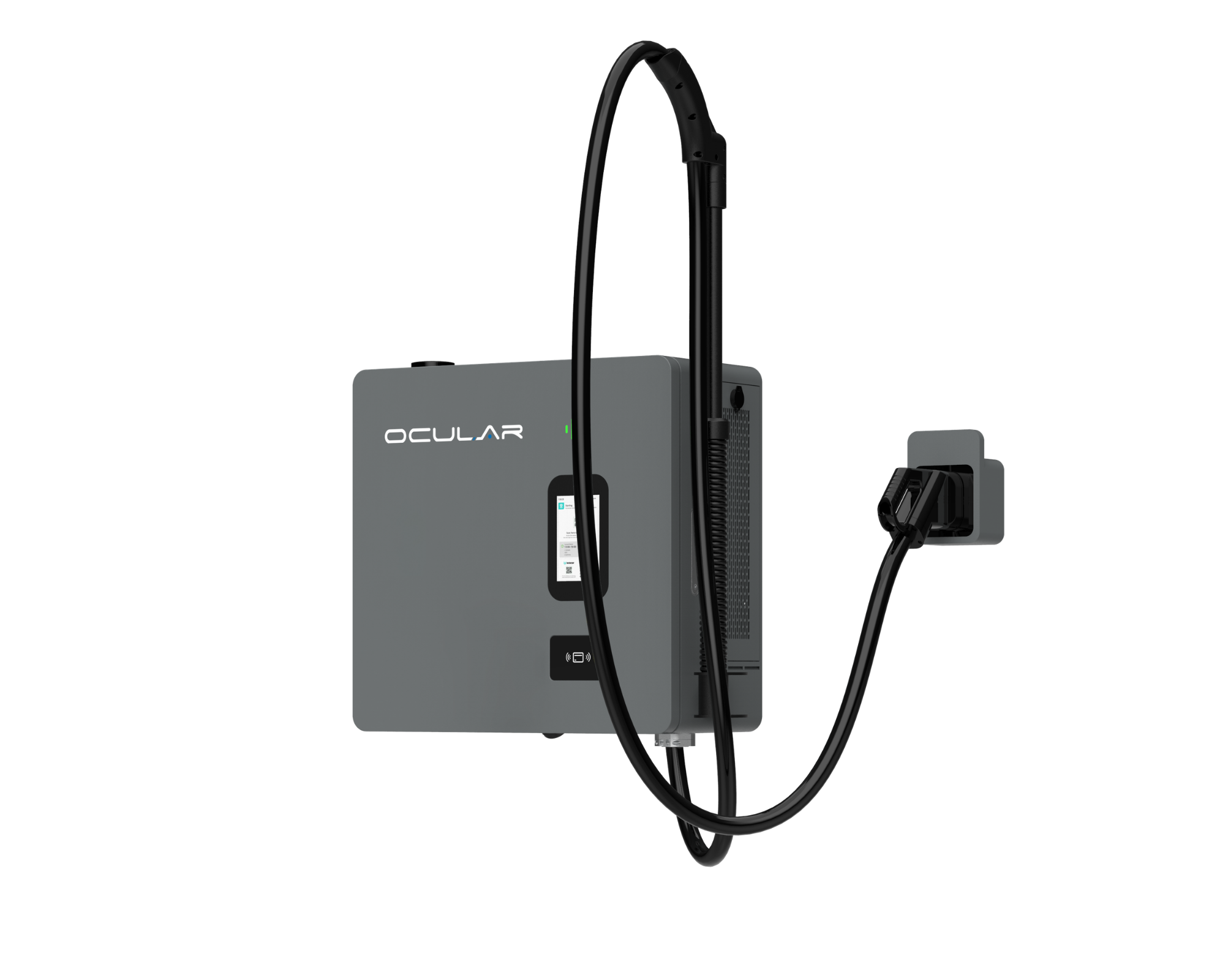
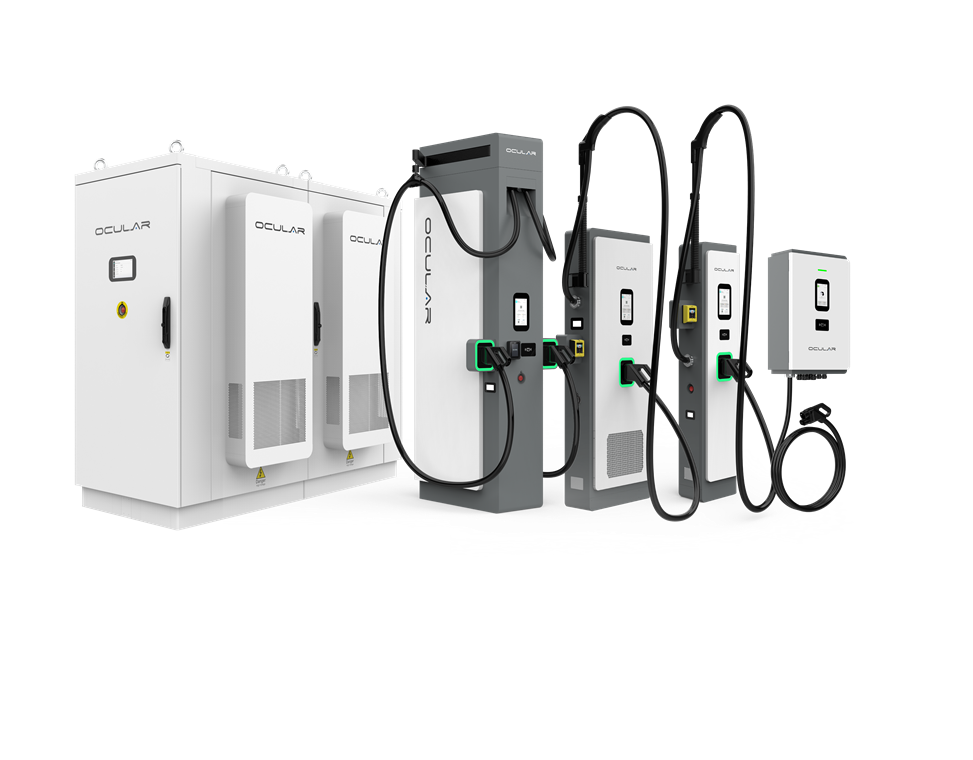
A satellite DC charging system separates the main power electronics from the charging dispensers. Rather than packaging everything into each individual charger, the site uses a centralised power cabinet that distributes DC power to multiple satellite dispensers positioned across several bays.
Put simply:
This architecture is particularly well-suited to sites where charging demand is higher, bays need to be distributed across a larger area, or the site is expected to grow over time. The Ocular Satellite DC Charging System is purpose-built around this modular, scalable approach.
A satellite system is worth considering when your site has more complex or longer-term charging needs than a simple one or two charger setup.
If your site sees several EVs arriving throughout the day whether fleet vehicles returning from runs, customers at a highway stop or guests at a large hotel a satellite system allows power to be distributed intelligently across multiple charging bays at once.
This makes satellite DC charging particularly useful for:
Rather than installing several separate standalone DC chargers, a satellite system enables smarter power sharing across the whole site.
Many EV charging sites are now designed in stages. A site might only need a handful of bays today but could require many more within two, five or ten years.
A satellite DC system lends itself well to this kind of phased development. The centralised power architecture can often accommodate additional dispensers and bays over time without treating every expansion as a completely separate installation project.
For businesses that know their EV demand will grow but don’t want to overbuild from day one, this hardware flexibility can be genuinely valuable.
One of the most common constraints on DC fast charging isn’t the charger itself it’s the available power supply. Many sites simply don’t have enough spare electrical capacity to give every bay full power simultaneously.
A satellite system can help by sharing available capacity across multiple bays based on real-time demand. Not every vehicle will need maximum power at the same time some may be nearly full, others may have lower onboard charging limits. The system allocates power where it’s needed, helping the site make better use of what’s available rather than requiring each charger connection to be sized individually at full capacity.
Multiple standalone DC chargers spread across a car park each require their own footprint, protection, cable routes and electrical connections. At larger sites, this can create layout challenges and visual clutter.
A satellite system offers an alternative: the main power equipment is housed in a back-of-house or dedicated electrical area, while the satellite dispensers are positioned close to the parking bays. For sites where presentation, pedestrian movement and bay layout matter such as retail precincts or transport hubs this can be a meaningful hardware advantage.
As EV batteries increase in capacity and commercial fleets push toward higher daily energy requirements, some sites will need hardware capable of supporting faster turnarounds. A satellite system can provide a stronger platform for scaling to higher power levels across multiple bays over time something that becomes increasingly relevant for highway corridors, public charging hubs and heavy-use fleet operations.
A satellite system is not the right answer for every site. In many cases arguably the majority a standalone DC charger remains the more practical and cost-effective hardware solution.
Consider a standalone DC charger when:
If the requirement is simple, the hardware solution should be too.
Still unsure which direction suits your site? Work through these questions:
If your answers point to one or two chargers with limited growth expected, a standalone DC charger will generally be the right hardware choice. If your answers point to multiple bays, staged growth, higher power needs or a larger fleet or public charging environment, the Ocular Satellite DC System deserves serious consideration.
The most expensive EV charging mistake isn’t installing too little or too much it’s installing the wrong type of hardware for how the site will actually be used.
Getting the architecture right at the outset reduces future upgrade costs, improves the experience for drivers and operators, and makes the charging infrastructure easier to manage over its operational life.
Ocular designs DC charging hardware built for exactly these decisions from compact standalone units for simpler deployments to the Satellite DC System for sites that demand scalability, smarter power sharing and a cleaner site layout. Our hardware is engineered to fit the site, not the other way around.
Want to explore Ocular’s DC charging hardware for your site?
View the Ocular DC Charging range →
Get in touch with the Ocular team →
Contact us to learn more about the best EV Charging Stations in Australia
1300 912 650
[email protected]
As Australia moves toward a cleaner and more sustainable future, the way we power our vehicles is transforming. Electric vehicles (EVs) are no longer just the future, they’re rapidly becoming a key part of today’s transportation landscape. At the heart of this revolution are EV charging stations, the essential infrastructure powering a greener Australia.
Transportation has long been one of the largest contributors to carbon emissions. By adopting electric vehicles, Australians can significantly reduce their environmental impact. Unlike petrol or diesel cars, EVs produce zero tailpipe emissions, helping to improve air quality and reduce greenhouse gases.
However, the shift to electric mobility depends on one critical factor, that is accessible and reliable EV charging infrastructure. This is where EV charging stations play a crucial role.
Australia is witnessing a surge in public and private EV charger installations across cities, regional hubs, and highways. With more charging points available, EV owners enjoy the confidence of travelling longer distances while supporting the nation’s transition to clean energy.
Companies like Ocular Charging are leading the way, offering advanced EV charging stations designed for Australian conditions, combining smart technology, efficiency, and user-friendly design.
Modern EV charging stations aren’t just plugs, they’re intelligent systems that connect to networks and data platforms. Through smart charging and OCPP (Open Charge Point Protocol) software, operators can monitor energy use, manage load distribution, and even integrate renewable power sources like solar energy.
This technology ensures chargers are not only convenient but also energy-efficient, supporting a stable and sustainable power grid.
Investing in EV charging infrastructure benefits more than just drivers. It creates new business opportunities, attracts eco-conscious customers, and contributes to the local economy. From workplaces to shopping centres, businesses installing charging stations are future-proofing their operations and promoting sustainability.
At the same time, every new charger installed brings Australia one step closer to achieving its net-zero emissions goals.
The future of transportation in Australia is electric and EV charging stations are the foundation of this change. As the network expands and technology advances, Australians will enjoy cleaner air, reduced emissions, and more efficient mobility.
Ocular Charging is proud to support this transition with reliable, innovative EV charging solutions for homes, businesses, and public spaces.
Contact Ocular Charging today to explore EV charging stations that power a greener Australia.
1300 912 650
With electric vehicles (EVs) on the rise across Australia, car parks are quickly becoming essential charging hubs. Whether you manage a residential building, workplace, or shopping centre, installing EV chargers can add value, convenience, and sustainability to your property. Here’s a quick guide to help you get started.
Start by identifying who will use the chargers and how frequently.
Understanding usage patterns helps you plan the right number, power level, and location of chargers.
Before installation, have a certified electrician inspect your building’s electrical system. Ensure it can handle the added demand from EV chargers. If capacity is limited, consider smart load management systems to balance power across multiple units and avoid costly upgrades. Future-proofing your setup now will make expansion easier later.
Select chargers that comply with Australian standards and support OCPP (Open Charge Point Protocol) for easy monitoring, billing, and maintenance.
Smart, connected chargers let you:
This ensures your system stays reliable and up to date.
Placement is key. Install chargers near power sources and in clearly visible areas. Provide enough space for easy parking and cable reach.
Good design not only improves usability but also enhances the overall parking experience.
All installations must meet AS/NZS wiring rules and local council requirements. Use certified, weather-resistant equipment, especially in underground or enclosed car parks. Proper earthing, ventilation, and circuit protection ensure safe and efficient operation for years to come.
Once installed, schedule regular inspections and software updates to keep chargers performing at their best. As EV adoption continues to grow, scalable systems will allow you to easily add more chargers without major upgrades.
Installing EV chargers in a car park is a smart investment for the future. It supports cleaner transport, attracts EV drivers, and adds long-term value to your property.
At Ocular Charging, we provide reliable, smart, and future-ready EV charging solutions for residential, commercial, and public car park. Our expert team can help you plan, install, and manage your charging setup with ease.
Get in touch with Ocular Charging today to start your EV charging installation!
1300 912 650
As more Australians make the switch to electric vehicles, choosing the right EV charging solution has become an important decision. Should you rely on a home EV charger or depend on public charging stations? Let’s break down the key differences so you can find the best fit for your lifestyle.
Installing a home EV charging station offers the ultimate convenience. Simply plug in overnight and wake up to a fully charged car, ideal for daily commutes or regular city driving.
For longer road trips or when you need a quick top-up, public EV chargers are essential. Many now feature fast charging technology, powering your car to 80% in less than an hour.
Most EV drivers use a mix of home and public charging. With a home charger, you get peace of mind knowing your EV is ready every morning. Public stations then provide flexibility for long trips or when you’re on the move.
The best choice isn’t one or the other, it’s both. Installing a home EV charger ensures daily convenience, while public EV charging stations give you freedom for bigger journeys. With Ocular Charging, you’ll find reliable EV charging solutions that make electric driving easier than ever.
Contact us to learn more about the best EV Charging Stations in Australia
1300 912 650
[email protected]
When you’re looking at EV chargers for your home, workplace, or business, it’s easy to get overwhelmed by the tech jargon. One term you’ll often come across is OCPP, short for Open Charge Point Protocol. But what does it really mean, and why should you care?
OCPP is like a universal language for EV chargers and charging management systems. Imagine buying a smartphone that only works with one brand of apps, frustrating, right? That’s what closed systems feel like. OCPP solves that problem by letting chargers and software “talk” to each other, no matter who made them.
Investing in EV chargers isn’t just about plugging in cars today, it’s about preparing for the future. Technology is moving fast, and OCPP ensures your charger doesn’t become outdated or “locked in” to one provider. With OCPP, you can:
Choosing OCPP-compatible EV chargers is like buying a TV that works with any streaming service. You’re not stuck with one choice, you’re free to adapt as new technologies and energy solutions emerge. For businesses, this means offering a reliable charging experience for customers and employees while keeping control over costs.
Contact us to learn more about the best EV Charging Stations in Australia
1300 912 650
As electric vehicles (EVs) become increasingly popular in Australia, more drivers are exploring the benefits of installing a home EV charger. Having a personal charging station not only adds convenience but also ensures your car is always ready to go. Before you take the plunge, here are some key things to know.
Not all EV chargers are the same. The right choice depends on your driving habits, vehicle battery size, and how quickly you need to recharge. A standard Level 2 home charger (usually 7kW to 22kW) is a great option for overnight charging, while a smaller plug-in portable charger may be enough if you only drive short distances.
Before installation of EV charger, it’s important to confirm whether your home’s electrical system can handle the added demand. Many homes may require an upgrade to the switchboard or wiring to safely support a high-powered charger. Consulting a licensed electrician will help you determine compatibility. Your home’s power will also determine if you will be able to install a 22kW or only a 7kW.
Where you install your charger matters. Ideally, it should be close to your vehicle’s parking spot, protected from the weather, and easy to access. Think about whether you want a tethered (cable attached) or socketed (plug in your own cable) charger based on convenience and flexibility. It is also ideal to install a charging station close to your home’s switchboard to minimise installation costs. Longer distances mean longer cable runs and higher costs.
The cost of a home EV charger goes beyond the unit itself. Installation fees, potential electrical upgrades, and any additional cabling or trenching can affect the total price. Getting quotes from accredited installers is the best way to plan your budget.
Modern chargers often come with smart features, such as Wi-Fi connectivity, load management, and charging schedule options. These features can help you save money by charging during off-peak hours or by balancing energy use if you have solar panels.
Depending on your state or territory, you may be eligible for government rebates or incentives when installing a home EV charger. These programs can reduce upfront costs and make your investment even more worthwhile. Check your state government websites or speak to your EV charger provider to understand if you are eligible for any grants or subsidies.
Contact us to learn more about the best EV Charging Stations in Australia
1300 912 650
Are you interested in using your electric vehicles battery to power your home? Imagine harnessing your vehicles energy to power your home while reducing your costs and carbon footprint. In this blog, we’ll explore Vehicle-to-Load (V2L), Vehicle-to-Home (V2H) and Vehicle-to-Grid (V2G) technology, helping you unlock new ways to maximise your EV’s potential.
V2L
First, lets take a quick look at what Vehicle-to-Load (V2L) is. Essentially, it allows you to use your EV as a massive battery pack to power devices on the go – much like a portable power bank for your phone but on a much larger scale. This means you can run a fridge while camping, operate tools at a job site, or even keep essential appliances running during a blackout.
Many modern EVs already support V2L, with more manufacturers adopting this technology. Some vehicles feature a built-in 10-amp power outlet, similar to what you’d find in your home. More commonly, EVs come with an adapter that connects to the vehicle’s Type 2 charging port, which has a standard plug on the other end.
V2H
Vehicle-to-Home (V2H) takes this concept a step further, enabling your EV to function like a home battery. This requires a bidirectional charger, which allows energy to flow both to and from your vehicle. When paired with solar panels, V2H can store excess solar energy during the day and power your home during peak hours, reducing electricity costs.
For added resilience, V2H systems can be installed with grid isolation equipment, allowing your EV to serve as a backup power source during blackouts – keeping essential appliances running and ensuring your home never goes dark.
V2G
The most advanced form of bidirectional charging is Vehicle-to-Grid (V2G), where an EV not only powers a home but also exports energy directly to the grid. This allows owners to earn feed-in tariffs, similar to solar energy exports, or participate in virtual power plant (VPP) programs that support grid stability by supplying power during peak demand. As this technology continues to evolve, it promises exciting new possibilities, paving the way for a more dynamic and sustainable energy future.
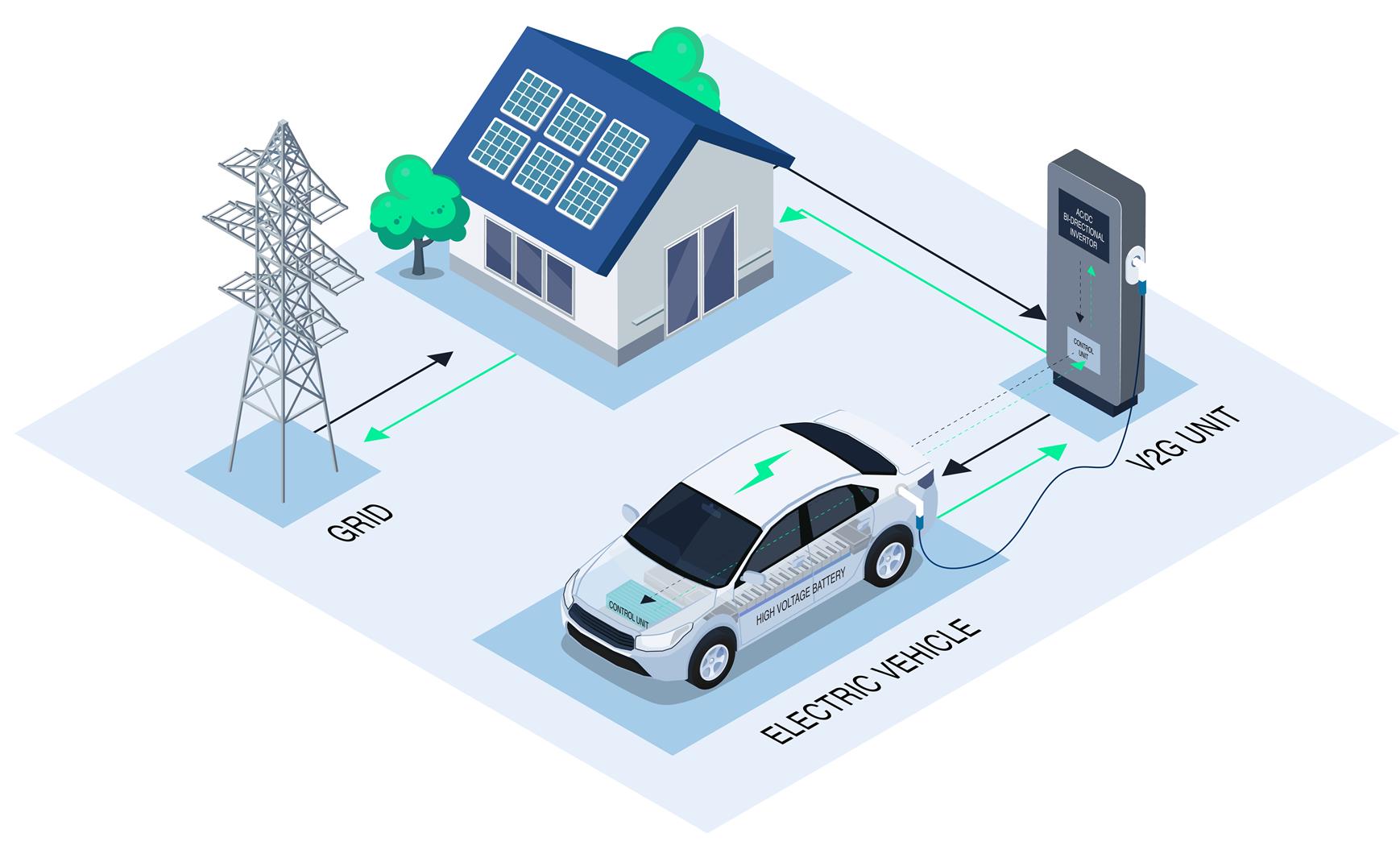
Bidirectional Charging
Availability
To start using V2H and V2G you will need a compatible car, a compatible charger, and a compliant installation.
Up until this point, only a few vehicles using the older CHADEMO charging connector have had V2H and V2G capabilities, and while numerous trials have been done, it hasn’t yet been available to the mass market. However, this is going to rapidly change as more vehicles and chargers are developed using the newer ISO15118-20 bidirectional charging standard.
2025 is looking to be a year of promising rapid development for bidirectional charging. In 2024 new inverter standards were introduced which included bidirectional charging, bringing them in line with existing solar and battery installations. This means that charging hardware can now be cerified and compliant installations can be done. At Ocular Charging, we are working on the next generation of bidrectional products, keep an eye out and stay in touch for future updates.
Bidirectional charging offers you a great way to reduce your carbon emissions, lower your energy costs, and get more value out of your electric vehicles.
Click here for more information on our complete charger range, and we will see you on the road!