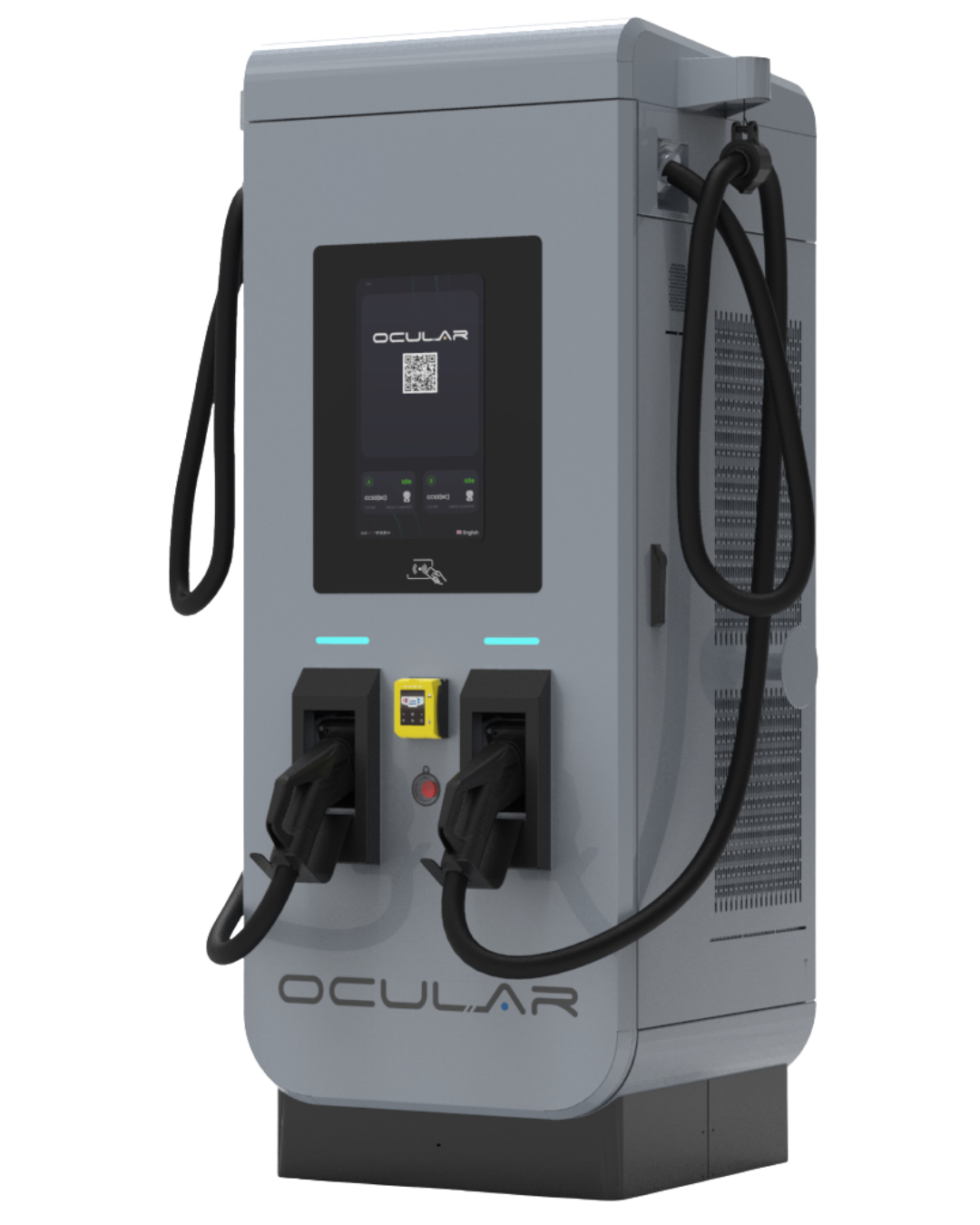
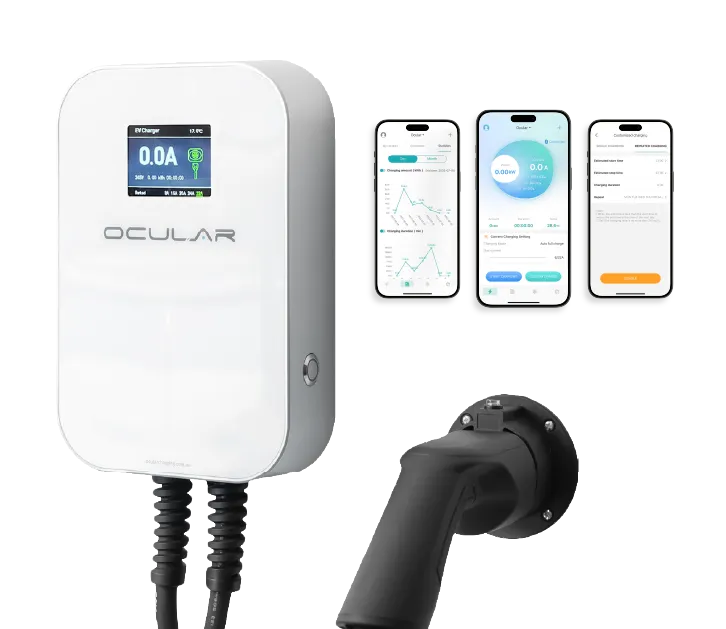
Residential EV Chargers


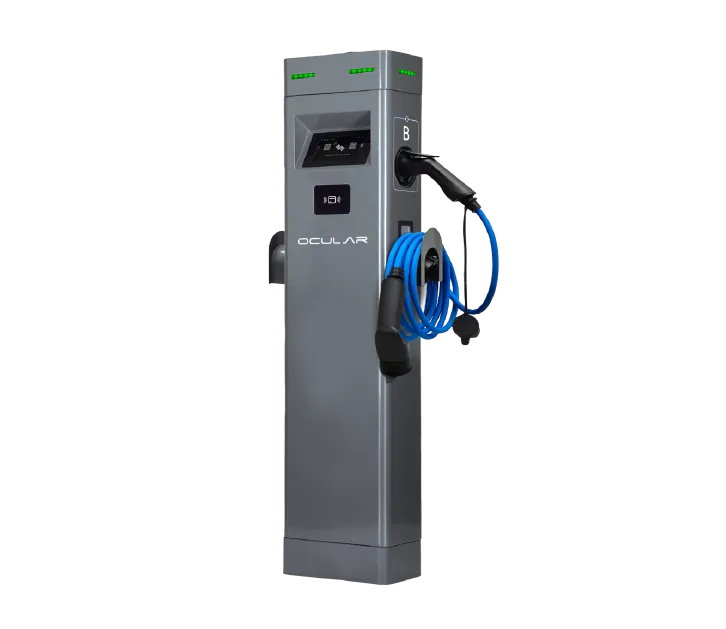
Commercial EV Chargers



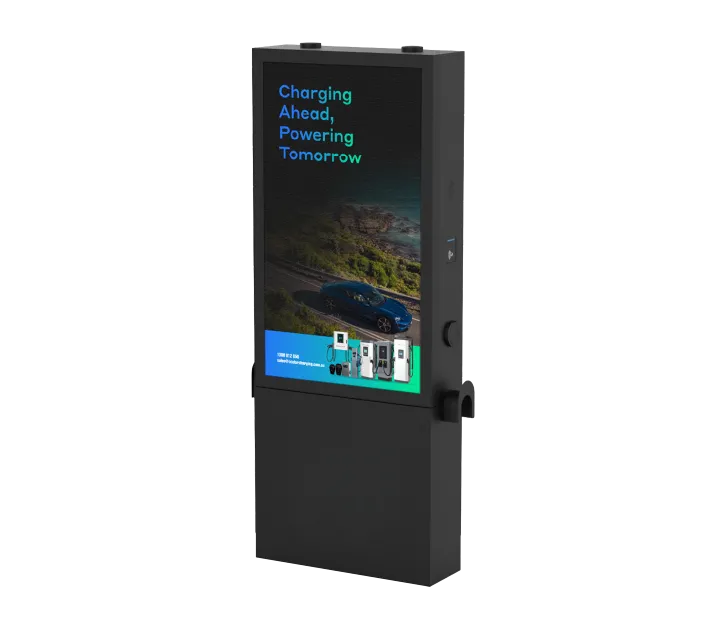
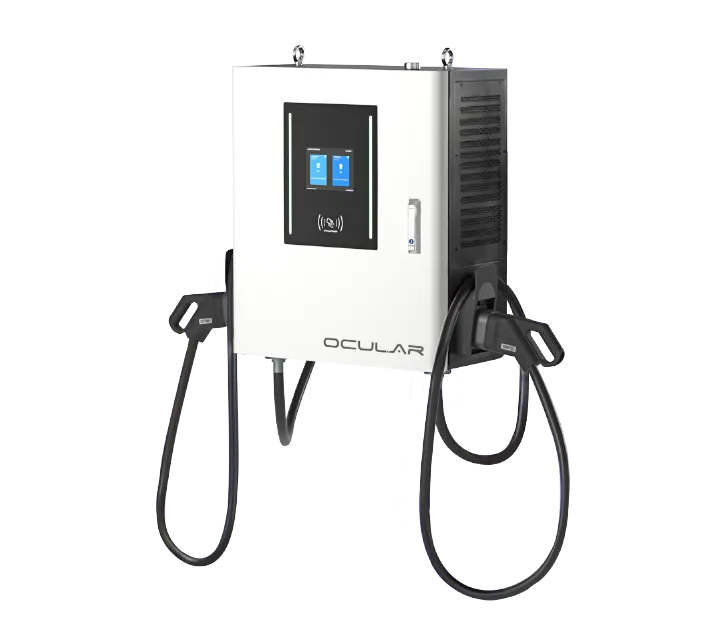
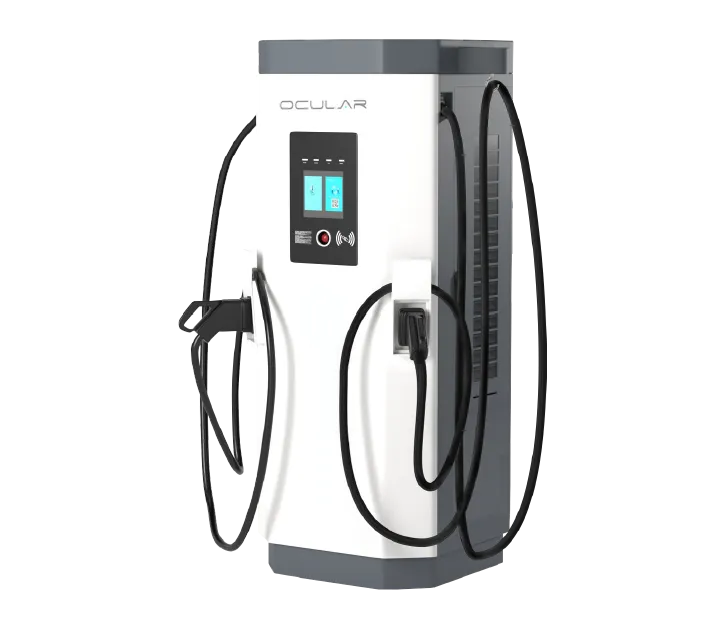
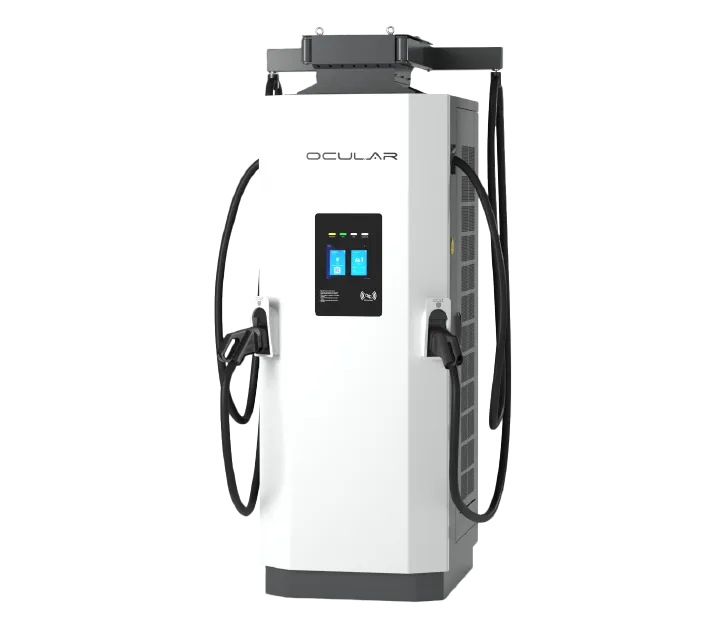
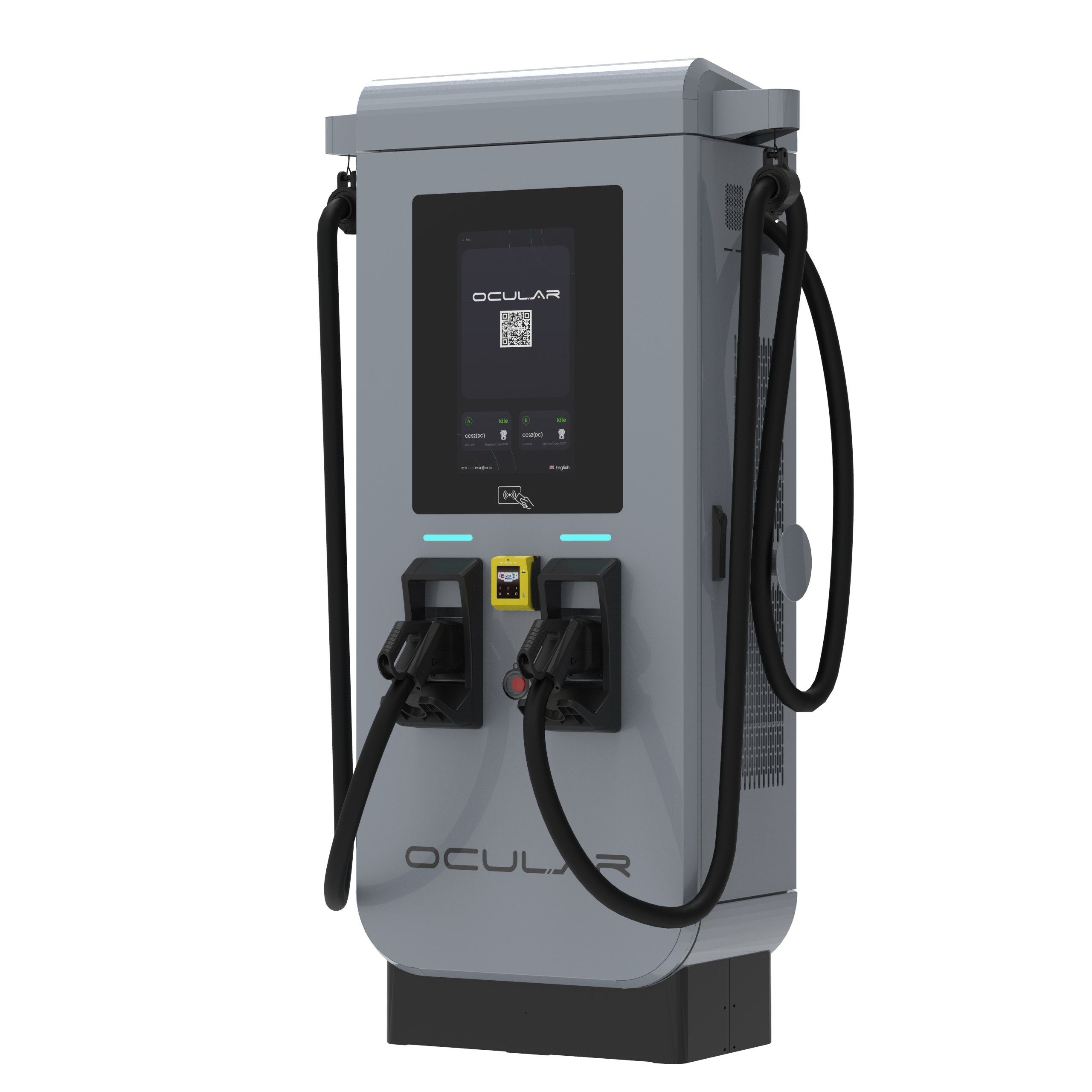
DC Chargers
Electric vehicles (EVs) are becoming more common on roads around the world, and charging stations are now part of everyday driving.
Whether you’re charging at home, at work, or at a public station, knowing how to charge efficiently can save you time, money, and battery life.
Not all EV chargers are the same. Understanding the difference helps you choose the right one for your needs.
For daily use, Level 2 charging is usually sufficient unless you need fast charging or requirements for turning over vehicles quickly. Then you must have a DC charger
Before heading out, use a charging app to:
Planning reduces range anxiety and prevents unnecessary waiting at busy stations.
For everyday driving, charging your EV to 80–90% is usually enough. Charging to 100% regularly can:
Avoid Idle Fees and Overstaying
Many public charging stations apply for idle fees once your vehicle is fully charged. To avoid extra costs:
Good charging etiquette also ensures others can access the station.
DC fast chargers are convenient but often more expensive as they have to pay for a significant amount of infrastructure and so they need to charge a little more. Choose sites that are reliable and have good pricing.
Using EV charging stations doesn’t have to be complicated. By understanding charging levels, planning, protecting your battery, avoiding extra fees, and using fast chargers wisely, you can make every charging session smooth and efficient.
Contact Ocular Charging today and get our best EV chargers wholesale deals now!
1300 912 650
[email protected]
As electric vehicles (EVs) grow in popularity, reliable and safe charging infrastructure is essential.
In Australia, EV charging stations must meet a range of national regulations, technical standards, and minimum operating requirements to ensure safety, accessibility, interoperability, and build user confidence in public and private charging networks.
All EV charging equipment and installations in Australia must comply with Australian and New Zealand electrical standards and safety rules:
Additional AS/NZS Standards: Depending on the installation, other standards may also apply, including:
These technical standards help ensure that chargers are safe, compliant with electrical regulations, and suitable for Australian conditions.
Under the National Electric Vehicle Strategy, Australian governments have developed minimum operating standards for public ev chargers especially those that receive government funding. These standards aim to make charging networks more consistent and dependable across the country.
Key elements include:
These minimum requirements play a key role in improving charger reliability and usability for EV drivers.
In addition to national standards, state and territory regulations affect EV charging infrastructure:
These local rules ensure that installations don’t compromise safety or grid performance and help manage increased electricity demand from charging loads.
Across Australia, EV charging regulations focus on:
EV charging standards are evolving as technology and adoption accelerate. Future updates are expected to include mandatory demand-response capabilities, improved safety classification for higher-power installations, and future rules for bi-directional charging (V2G/V2H) and more advanced communication protocols.
As Australia continues to expand its EV infrastructure, consistent and robust regulations will play a crucial role in ensuring that EV charging networks are safe, reliable, and ready to support the growing number of electric vehicles on the road.
Contact Ocular Charging today and get our best EV chargers wholesale deals now!
1300 912 650
[email protected]
As electric vehicles (EVs) become a standard part of Australia’s transport network, the focus is no longer just on installing chargers, it’s on building safe, reliable, and scalable charging infrastructure.
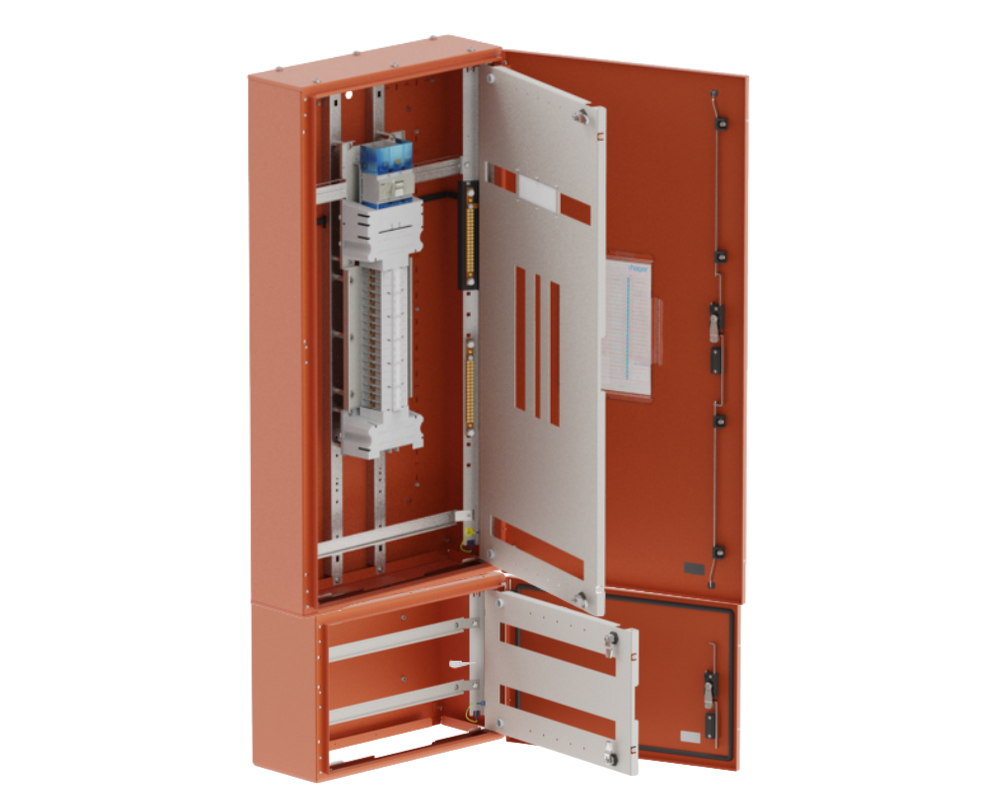
At the heart of every well-designed EV charging site is an often-overlooked component: the EV charger distribution board. Whether you’re deploying chargers in a commercial car park, apartment building, fleet depot, or public charging station, a dedicated EV charger distribution board plays a critical role in safety, compliance, and future expansion.
An EV charger distribution board is a purpose-built electrical board that manages and distributes power to one or multiple EV chargers. Unlike a standard distribution board, it is specifically designed to handle the high electrical loads, continuous usage, and safety requirements associated with EV charging.
It acts as the central control point between the site’s main power supply and the EV chargers, ensuring power is delivered safely, efficiently, and in compliance with electrical standards.
EV chargers place a very different demand on electrical systems compared to traditional building loads. Standard distribution boards are typically not designed for:
Without a dedicated EV charger distribution board, sites face higher risks of overloading, electrical faults, non-compliance, and costly retrofits.
Safety is the primary reason EV charger distribution boards are essential A properly designed EV charger distribution board includes critical protection components such as:
These protections significantly reduce the risk of equipment damage, downtime, and electrical hazards,especially in public and commercial environments where safety compliance is non-negotiable.
Australia has strict electrical safety and compliance requirements for EV charging infrastructure. Dedicated EV charger distribution boards are designed to meet these standards, helping ensure:
Non-compliant installations can lead to fines, shutdowns, and reputational damage,making compliance a critical consideration from day one.
EV charger distribution boards are not just an electrical component,they are the backbone of safe, scalable, and future-ready EV charging infrastructure. As EV charging continues to scale across Australia, the right electrical foundation will make the difference between infrastructure that struggles and infrastructure that lasts.
Contact Ocular Charging today and get our best EV chargers wholesale deals now!
1300 912 650
[email protected]
As electric vehicles (EVs) become a normal part of everyday transport, public and commercial EV charging networks are rapidly expanding across Australia.
From shopping centres and workplaces to fleet depots and highways, chargers are now essential infrastructure. But with this growth comes responsibility. EV charging safety standards are not just technical checkboxes, they are critical to protecting people, vehicles, businesses, and the electricity grid. In this article, we explain why EV charging safety standards matter, what risks they address, and why compliance is essential for public and commercial charging operators.
Public and commercial charging stations are used by thousands of drivers every day, often by people who have no prior knowledge of the equipment they’re plugging into. Unlike home chargers, these systems must operate reliably in high-traffic, uncontrolled environments. Safety standards ensure equipment performs reliably under these conditions, reducing risk before issues occur and helping operators deliver a consistent, dependable charging experience.
At their core, EV charging safety standards are designed to protect human life. This is especially important in public locations such as car parks, shopping centres, and roadside charging hubs where weather, vandalism, and misuse are real risks.
For businesses operating public or commercial charging infrastructure, reliability is just as important as safety. Unexpected charger failures can disrupt operations, frustrate drivers, and impact revenue. By following established safety standards, operators can ensure chargers perform consistently, faults are detected early, and downtime is minimised. This is especially critical for fleet operators, highways, and destination charging sites where consistent performance is essential.
Trust is essential for EV adoption. Drivers expect public chargers to be safe, reliable, and easy to use every time. Compliance with recognised safety standards helps build confidence not only with drivers, but also with site hosts, councils, investors, installers, and fleet partners. For commercial operators, this trust supports long-term network growth and stronger partnerships.
EV charging safety standards are not barriers to innovation, they are the foundation that makes large-scale EV adoption possible.
As EV infrastructure continues to grow, safety standards will remain the backbone of a charging network that Australians can rely on with confidence.
Contact Ocular Charging today and get our best EV chargers wholesale deals now!
1300 912 650
[email protected]
Electric vehicle chargers are rapidly becoming essential infrastructure due to rising EV adoption, government sustainability targets, and the need to support modern transportation networks.
Key drivers include convenience for EV owners, reduced carbon emissions, improved fleet operations, smart charging technology, and expanding public EV charging networks. Businesses, councils, and developers are investing in EV charging to future-proof their assets and meet growing consumer demand.
Electric vehicles aren’t just a trend, they represent a long term shift in how people and goods move. As more drivers, fleets, and businesses transition to electric mobility, the expectation around charging access is changing too. People now expect to be able to charge at home, at work and on the go. EV Chargers have become essential infrastructure, much like fuel stations, electricity, or internet access. From shopping centres and workplaces to apartment complexes and major highways, EV charging is now a core part of how cities operate and grow.
EV uptake Across Australia and the world continues to grow at a strong pace. Lower running costs, improving vehicle choice, and increasing awareness of emissions are driving this shift. This demand puts pressure on charging networks. As more EVs hit the road, reliable access to charging is crucial for driver confidence, particularly for those without home charging or those travelling long distances. Drivers need confidence that they can charge at home, at work, and on the go.
For long-distance travel, tourism, and interstate transport, DC fast charging networks are crucial, while AC chargers are becoming standard in workplaces, shopping centres, hotels, and apartment buildings. Together, they form the backbone of a transport system that supports both daily use and longer journeys.
Governments are offering incentives, grants, and policies that support zero-emission vehicles. With climate commitments becoming stricter, EV charging infrastructure is expanding at a rapid pace. This means businesses, councils, and property developers are actively installing chargers to stay aligned with evolving regulations and sustainability expectations.
EV chargers are becoming essential infrastructure because the world is shifting toward cleaner transport, smarter cities, and more sustainable living. They’re not simply an accessory for EVs, they’re a foundational part of modern mobility.
Contact Ocular Charging today and get our best EV chargers wholesale deals now!
1300 912 650
[email protected]
As Australia’s electric vehicle adoption continues to rise, the need for smarter, more reliable charging infrastructure is becoming essential. Whether you’re running a public ev charger, managing a commercial site, or building a fleet charging network, you’ve likely heard of (OCPP) Open Charge Point Protocol.
OCPP is an open communication standard that allows EV chargers and software platforms to “speak the same language.” Think of it like Bluetooth for EV charging networks it lets different brands, chargers, and systems connect seamlessly. With OCPP, site owners and operators aren’t locked into one vendor. Most importantly, OCPP unlocks the tools needed to manage chargers remotely, diagnose issues instantly, and keep your network running smoothly.
OCPP enables real-time communication between your chargers and your management platform. For busy sites, especially public or fleet charging, this is a game-changer. Instead of relying on customers to report a problem, your system tells you the moment something goes wrong. This results in: higher uptime, better customer satisfaction, and fewer service callouts.
Demand charges and peak electricity rates can be expensive, especially for commercial sites. For fleets, these features can dramatically improve operational efficiency.
OCPP-enabled platforms allow you to:
These features help keep energy costs under control while ensuring every vehicle gets the charge it needs.
OCPP gives you flexibility to choose the payment solution you want:
Access control is also easy to configure. This level of control is crucial for workplaces, retail centres, councils, and fleets.
One of the most powerful benefits of OCPP is the ability to update chargers remotely. OCPP allows for remote Firmware upgrades, Security patches and new features for Performance improvements, this keeps your chargers modern, secure, and compatible with new EV models without sending a technician to site.
OCPP-compatible platforms allow you to view and manage your entire charging network from one dashboard. These insights help guide smart decisions about expansion, maintenance, and site optimisation.
Because OCPP is open and widely supported, you’re free to choose the hardware and software that works best for your business. This flexibility protects your investment as the EV market continues to evolve.
If you’re building or expanding an EV charging network, OCPP isn’t just a nice to have it’s essential. It boosts reliability, gives you powerful remote management tools, reduces operational costs, and keeps your network future ready. From public charging networks to fleets and commercial sites, OCPP ensures your chargers stay online, efficient, and scalable as Australia transitions to electric mobility.
Contact Ocular Charging today and get our best EV chargers wholesale deals now!
1300 912 650
[email protected]
As electric vehicles become more popular, long-distance travel is quickly becoming part of everyday life for EV drivers. However, covering hundreds of kilometres requires more than a standard AC charger. This is where DC fast chargers make all the difference. Designed for speed, convenience, and efficiency, DC fast chargers are now essential for Australia’s expanding EV network especially for highway travel and regional routes.
When you’re travelling long distances, time matters. DC fast chargers can power an EV from 10% to 80% in as little as 15–45 minutes, depending on the vehicle and charger. capacity. This is much faster than AC charging, which typically requires several hours.
What this means for your trip:
Australia’s long-distance routes, highways, and regional areas rely on dependable charging infrastructure. DC fast chargers enable EV drivers to explore more areas without range anxiety.
How this improves long distance travel:
As more electric vehicles hit the roads, the need for high-power charging becomes more important. DC fast chargers help reduce congestion at charging stations and support growing demand.
Why this matters for the future:
Fleets, delivery vehicles, taxis, and rideshare services often travel long distances daily. DC fast charging allows these vehicles to return to the road quickly without losing productivity.
Benefits for business and fleet users:
Long-distance EV travel need to feel smooth and stress-free. DC fast chargers create a smoother journey by offering fast charging, smart payment options, and reliable uptime.
DC fast chargers are essential for unlocking the full potential of long-distance EV travel. They reduce charging times, expand travel possibilities, support growing EV demand, and provide a better overall experience for everyday drivers and commercial fleets. As the EV landscape continues to grow, DC fast charging will remain a key pillar of modern electric mobility.
Contact Ocular Charging today and get our best EV chargers wholesale deals now!
1300 912 650
[email protected]