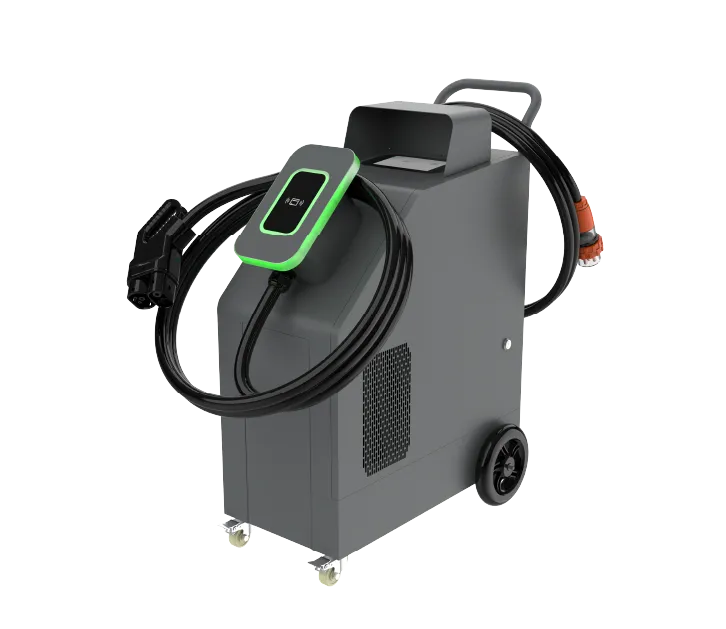
Residential EV Chargers
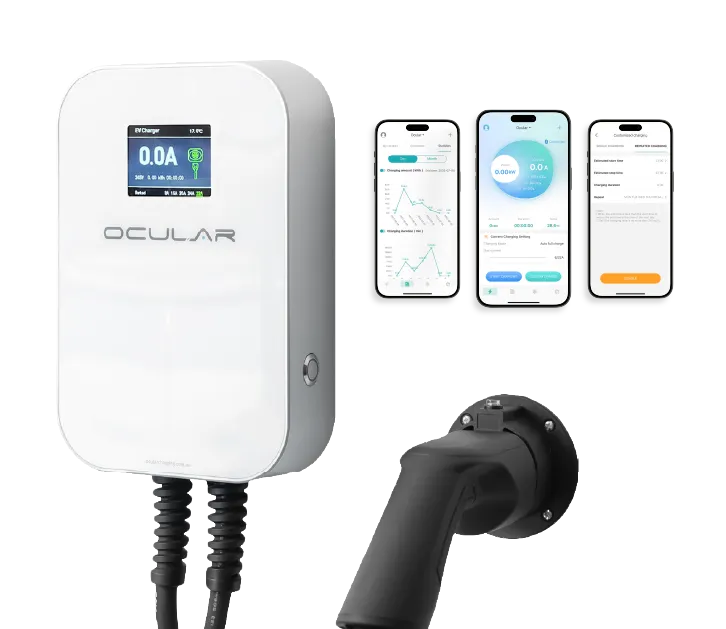
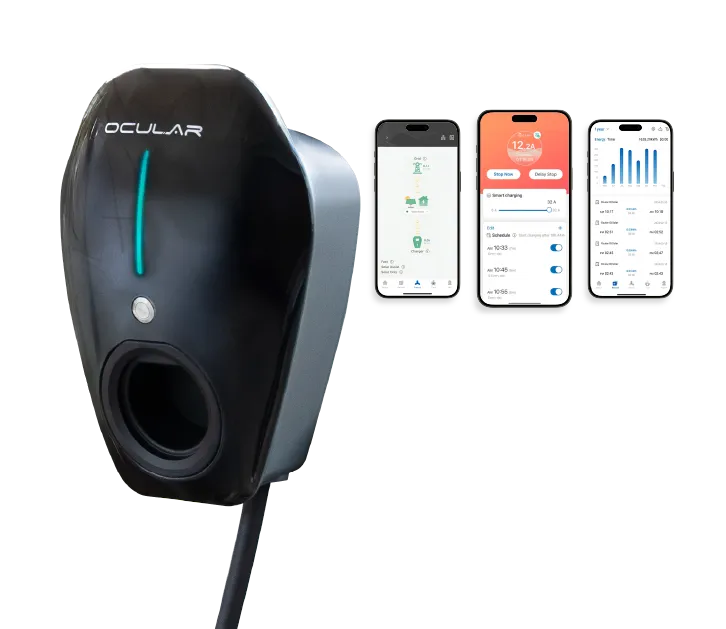
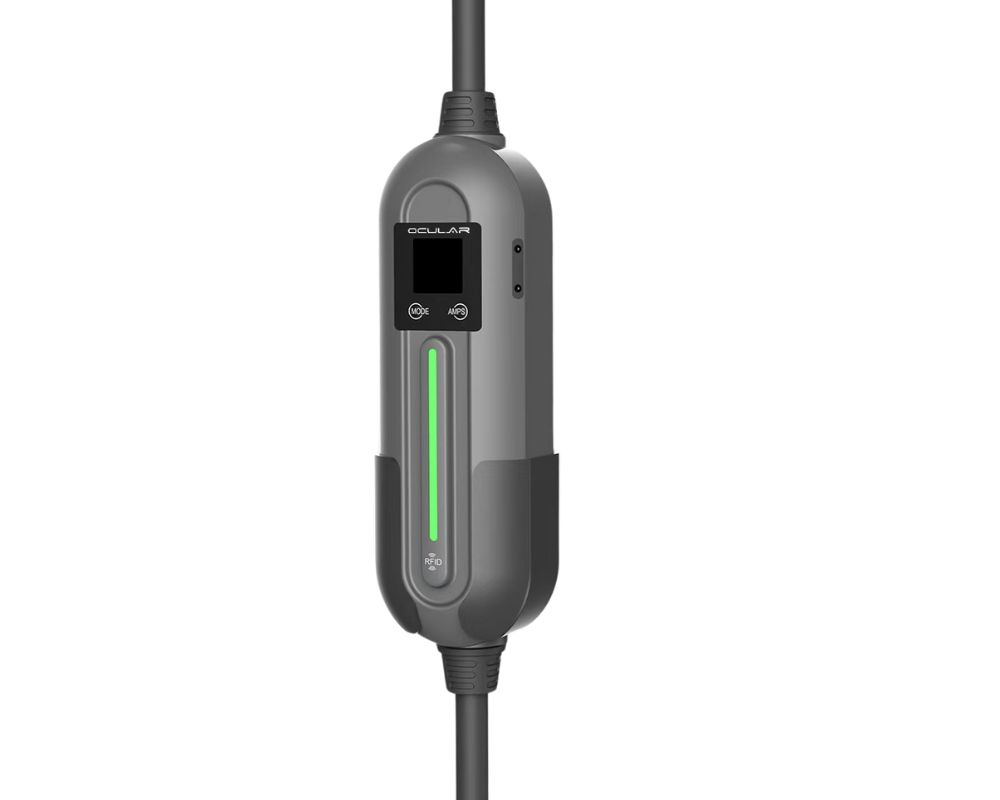
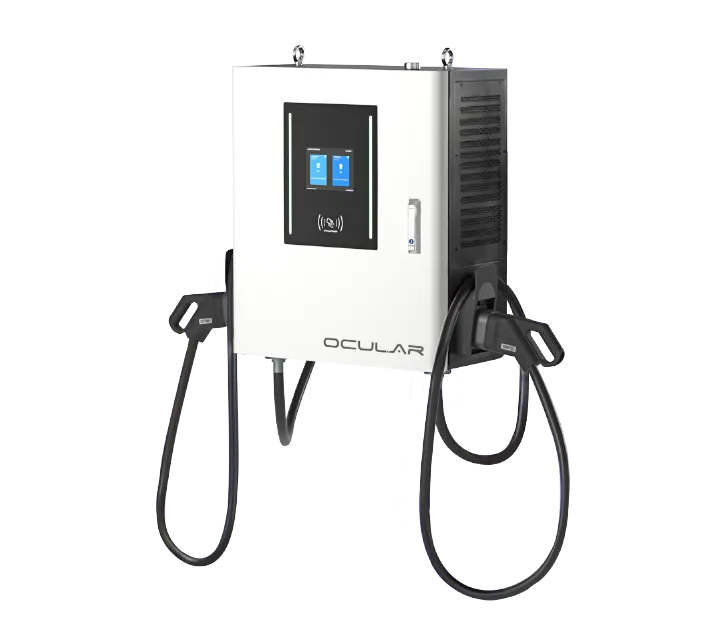
Commercial EV Chargers
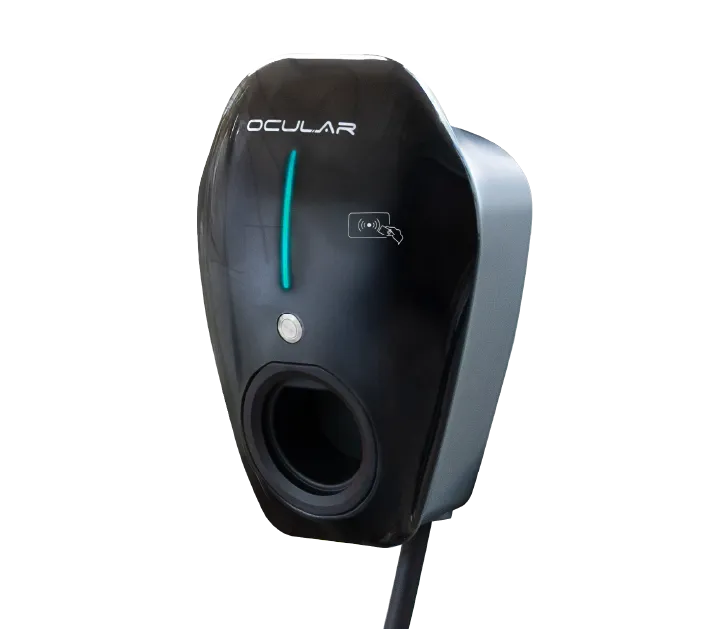
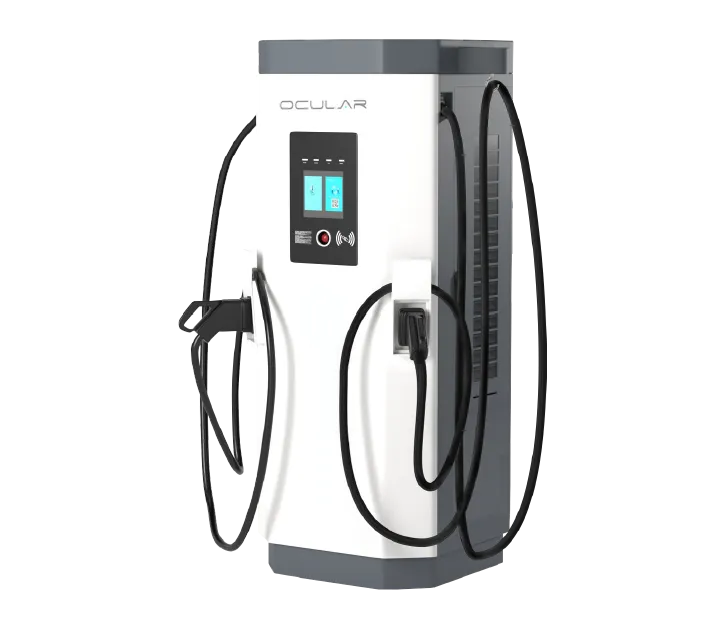
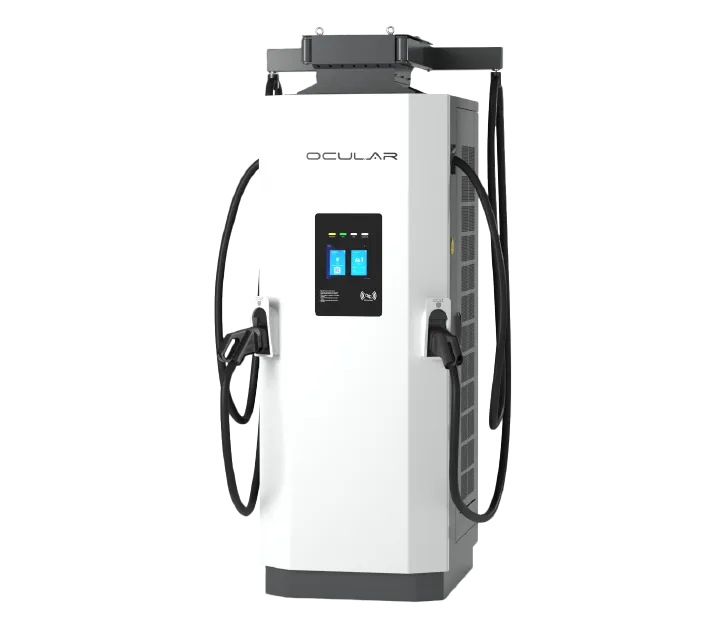
DC Chargers
The global shift toward electric vehicles is accelerating, and businesses are rapidly installing charging infrastructure to support this transition.
However, many organisations investing in EV chargers encounter a major problem early on: limited compatibility between chargers and management software. When charging stations rely on proprietary systems, businesses can become locked into one vendor, making upgrades, network expansion, and system integrations difficult.
This issue becomes even more challenging as EV charging grow across multiple locations. Without a flexible communication standard, managing chargers, monitoring performance, and integrating new technology can quickly become complicated and expensive.
This is where the Open Charge Point Protocol (OCPP) offers a powerful solution. Developed by the Open Charge Alliance, OCPP creates a universal communication standard that allows EV chargers and management platforms to work together seamlessly.
The Open Charge Point Protocol (OCPP) is an open communication standard that allows EV chargers to connect and communicate with central management software. Developed by the Open Charge Alliance, OCPP enables chargers from different manufacturers to work with various charging platforms, creating more flexible and scalable EV charging networks.
Installing OCPP-compliant EV chargers offers several advantages for businesses and charging network operators. It helps avoid vendor lock-in, allows easier integration with different software systems, and enables remote monitoring and smart charging features. This flexibility makes it easier to expand charging infrastructure while ensuring the system remains compatible with future EV technologies.
When installing EV chargers, choosing the right type is crucial. The main difference is OCPP compliance, an open protocol that allows chargers to communicate with different management platforms.
OCPP-Compliant Chargers
Non-OCPP (Proprietary) Chargers
OCPP-compliant chargers offer flexibility, smarter energy management, and long-term scalability. Non-OCPP chargers may work for small setups but can limit growth and adaptability.
One of the biggest barriers to building reliable EV charging infrastructure is interoperability. Many traditional charging systems operate within closed ecosystems, meaning the hardware and software are tightly linked.
OCPP-compliant EV chargers solve this issue by enabling communication between different charger brands and software platforms. Businesses are no longer restricted to a single vendor and can integrate chargers with multiple management systems. This flexibility makes it easier to expand infrastructure while protecting long-term investments
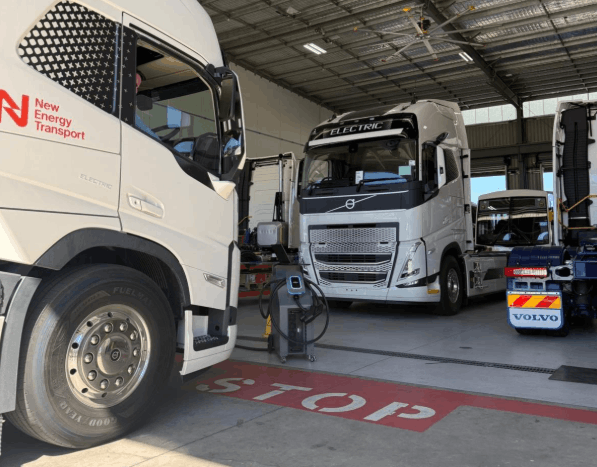
As electric vehicle adoption increases, organisations often need to expand their charging infrastructure across offices, fleet depots, commercial properties, and public charging locations.
OCPP-compliant chargers allow operators to scale their networks without worrying about compatibility issues. New chargers from different manufacturers can be added to the same system, making it easier to grow EV charging networks as demand increases.
Energy management is a critical factor for businesses installing EV charging infrastructure. Multiple chargers operating at the same time can place significant demand on electrical systems.
OCPP supports smart charging capabilities that allow operators to control power distribution across chargers. This helps balance energy loads, prevent grid overload, and optimise charging performance across the network. With better energy management, businesses can reduce operational costs while maintaining reliable charging access.
Managing multiple EV chargers manually can be inefficient and time-consuming. OCPP-compliant chargers provide real-time communication with central management platforms, allowing operators to monitor charger status, track energy usage, and identify faults remotely.
This level of visibility helps reduce downtime, improve charger reliability, and ensure a better experience for EV drivers.
EV charging technology continues to evolve rapidly. New features, software updates, and smart energy capabilities are constantly being introduced to support the growing EV ecosystem.
OCPP-compliant chargers help future-proof charging infrastructure by ensuring compatibility with new software platforms and emerging technologies. Businesses can upgrade their systems without replacing hardware, protecting their investment as the industry develops.
Installing OCPP-compliant EV chargers is a long-term investment, and choosing the right technology is essential for your ev charging infrastructure
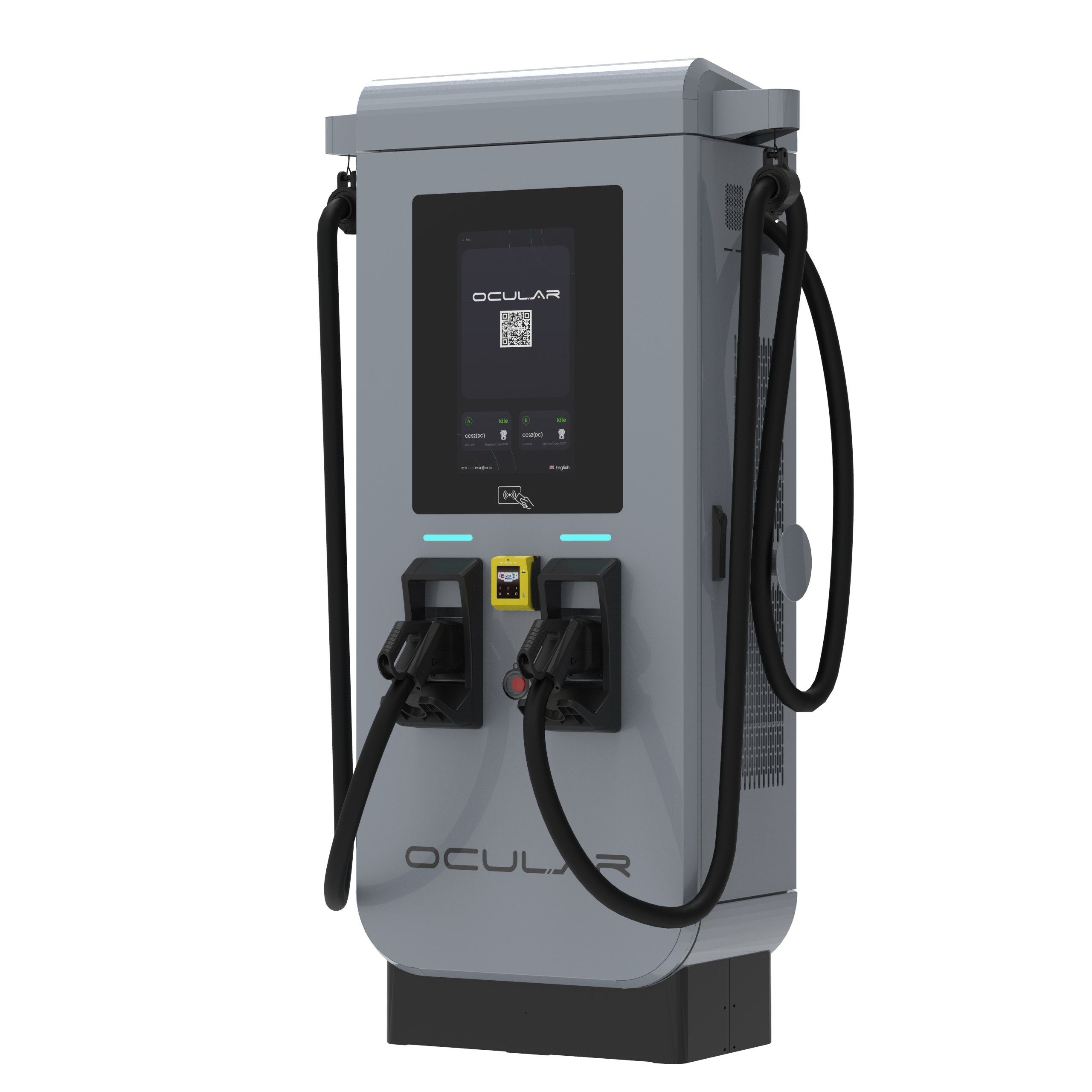
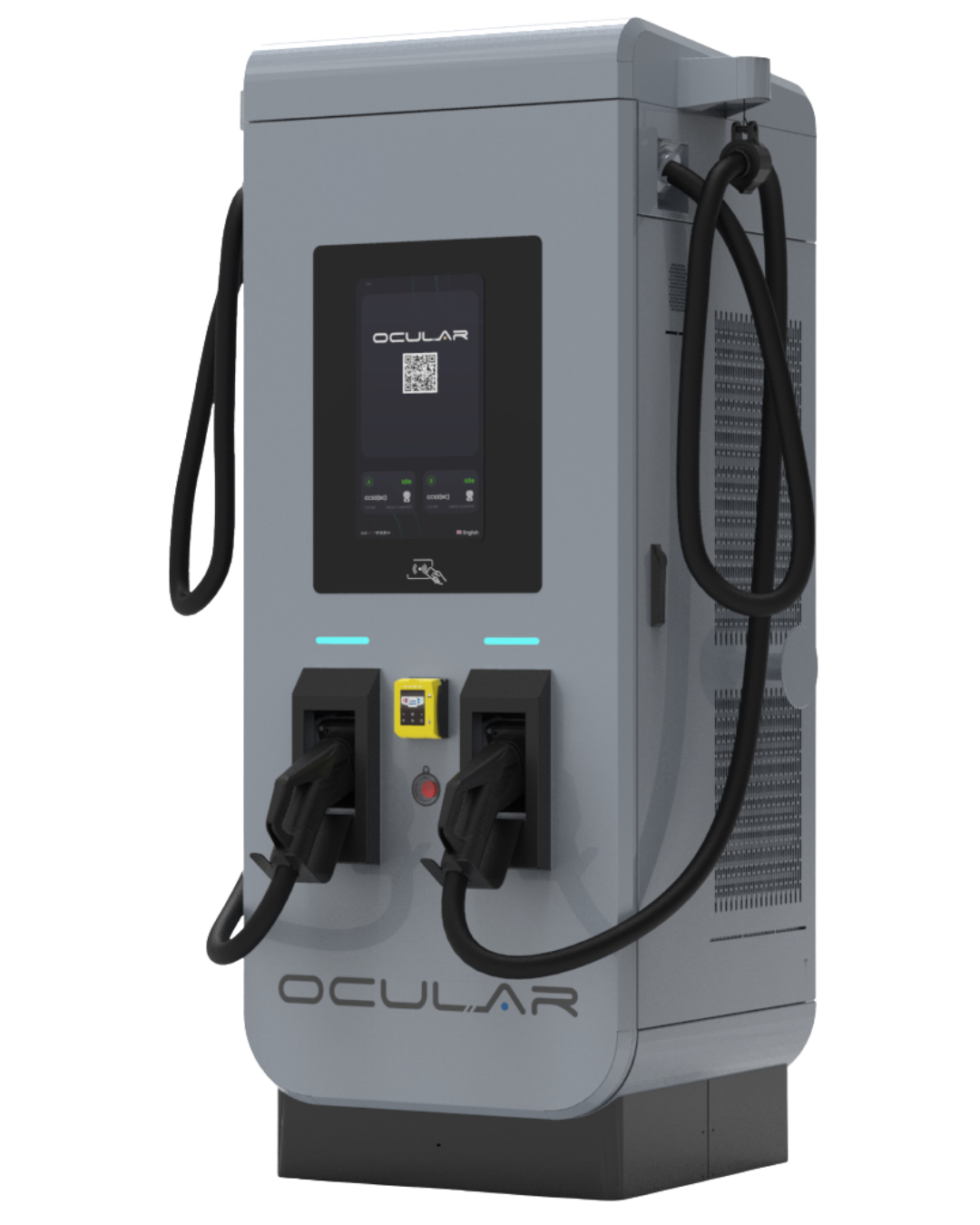
Ocular Charging offers smart, OCPP-compliant EV chargers that work seamlessly with multiple management platforms. They provide remote monitoring, smart energy management, and scalable solutions, making it easy for businesses to expand and future-proof their charging infrastructure.
Looking for reliable OCPP-compliant EV chargers for your business? Ocular Charging offers solutions designed for commercial and public charging installations!
Contact Ocular Charging today and get our best EV chargers wholesale deals now!
1300 912 650
[email protected]